
We may earn a commission when you buy through links on this page. It never changes what we recommend. How we pick
On this page8 parts
- Is There a Coffee Maker Larger Than 12 Cups?
- Set the Dose From the Water, Not the Box
- Two 14-Cup Machines and What Each One Gives Up
- The Last Cup on the Plate, and the Machine in Month Two
- When Two Batches or a Thermos Beat One Big Pot
- Will It Fit, and How Many Pots Is a Bag?
- Read the Carafe in Ounces, Then Taste the Last Cup
- Frequently Asked Questions
Type coffee maker larger than 12 cups into a search bar and the story behind it is usually the same: the biggest pot in the house ran dry before the last person got a mug. A household of a partner, two roommates and whoever else might drop by can need a machine that keeps up. The box makes it sound simple, but the 14 on the front counts small cups of about 5 ounces, and what decides the pot is the ounces of water, the grams of coffee and the degrees left in the carafe when the last mug is poured. This guide reads the label in ounces, sets the dose from the water, and puts two 14-cup coffee makers next to the cases where two smaller batches or a thermos win.
Quick Answer
Yes, but only to 14 box cups, about 70 ounces; the 18, 20 and 24-cup listings are event-size units. A box cup is a small 5-ounce cup, so compare machines in ounces. Past 12 cups, the real question is whether the basket, heater and warming plate can make and hold a full pot.
Is There a Coffee Maker Larger Than 12 Cups?
Yes, large-capacity coffee makers above 12 cups exist, but only just: the largest home drip models stop at 14. The label is the first thing to take apart, because the three numbers attached to it (the cup count, the ounces and the certification) do not measure the same thing.
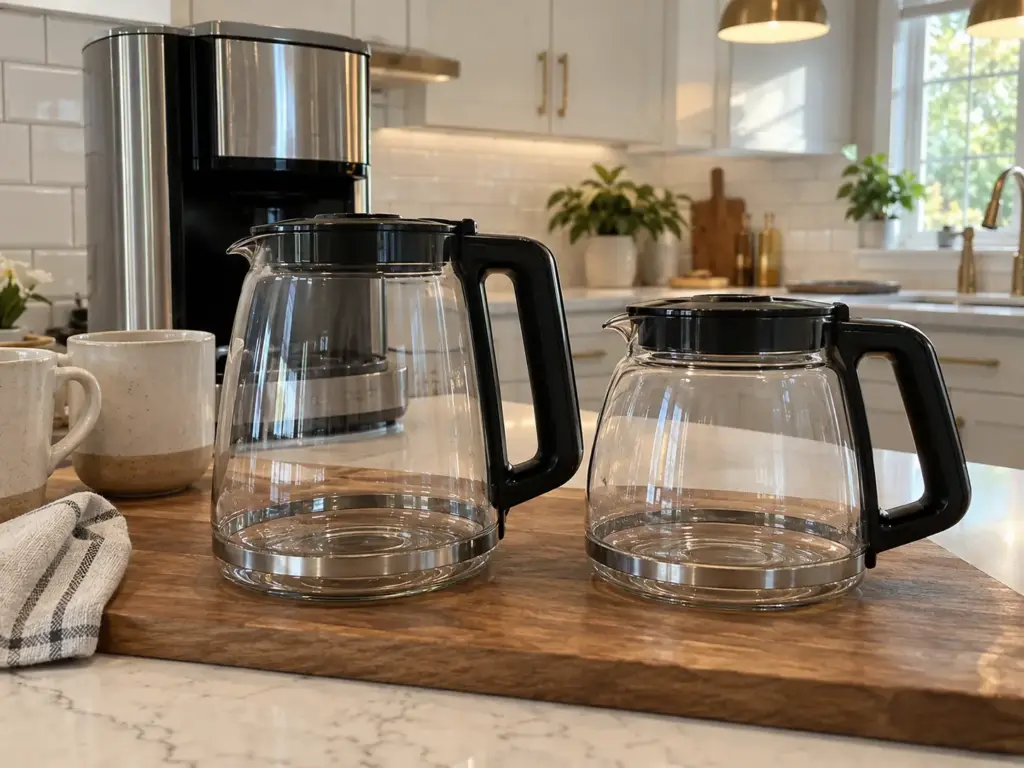
What a Box Cup Is Worth in Ounces
A box cup is a small cup of about 5 ounces, not the 8-ounce cup of a measuring set. That makes a 12-cup machine a roughly 60-ounce machine and a 14-cup one a roughly 70-ounce machine, which is about 2.1 liters. Consumer Reports measured one 14-cup carafe, the Mr. Coffee that appears later in this article, at 69 ounces, so for that one the label and the glass agree.
The carafe capacity and the reservoir’s own cup marks are printed in the same small cup. A 70-ounce pot pours a little under 9 mugs of 8 ounces and not quite 6 mugs of 12 ounces, and how a box cup becomes a mug is worked out in full in the drip guide.
Why the Home Range Stops at 14
Certification is where the ceiling shows. The SCA’s certified home brewer list names no machine rated above 12 cups, and its own description says “SCA Certified Home Brewers are coffee makers that meet SCA’s rigorous standards for brewing quality, consistency, and performance.” The largest entry by ounces is a 60-ounce thermal-carafe model the list describes as made for offices and gatherings, and neither 14-cup machine in this article is on it.
So no third party has tested the water temperature or the extraction of a 14-cup box. That is a gap in what can be checked, not a verdict on the machines, and the later sections lean on the one lab number that does exist.
The 18, 20 and 24-Cup Listings Are Another Kind of Machine
Search for a bigger number and the 18, 20 and 24-cup listings turn up. Those are event-size or commercial units, counted in a cup that is not the household one and meant for the kind of room that serves a crowd, not a kitchen counter. A reader shopping for a house can skip them, and every machine that follows stops at 14.
Set the Dose From the Water, Not the Box
A pot that tasted fine at eight cups and tastes thin at fourteen has usually been dosed by the box. The dose follows the water poured into the reservoir, and a 14-cup label does not say how much that is. This section gives the arithmetic, the basket that limits it, and the order to change things in after the first pot.
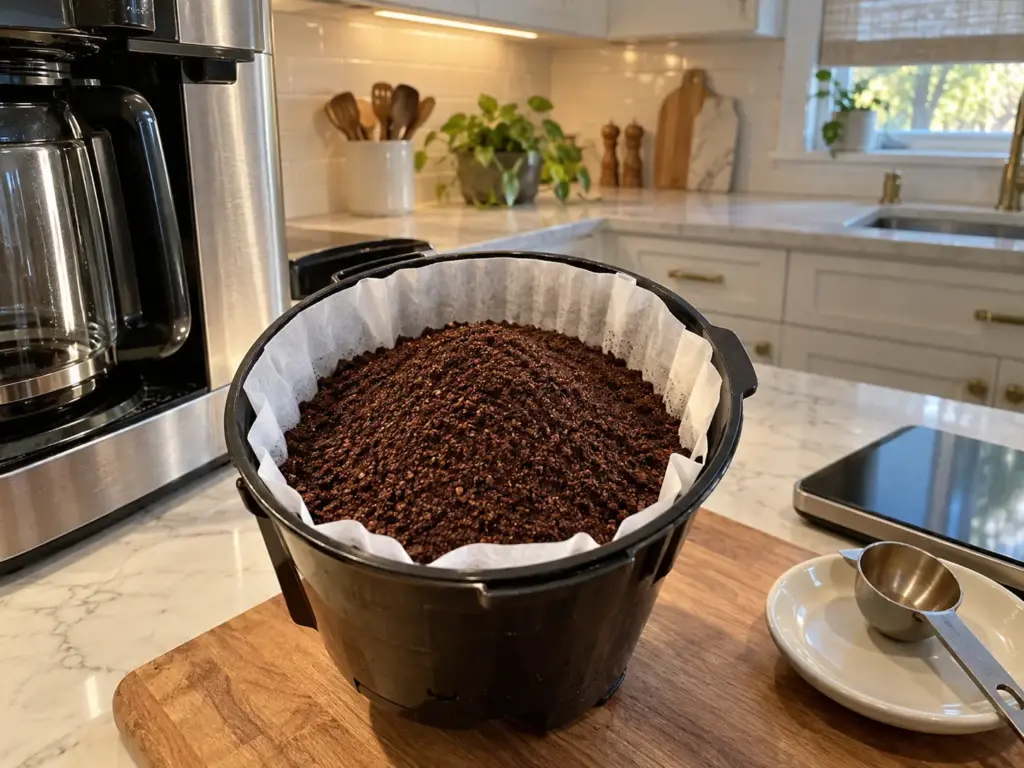
The Grams a Full Pot Takes
Weigh the water, divide by 16, and the answer is the coffee: a 1:16 ratio by weight, the same coffee-to-water ratio behind the 1:16 pot for 12 cups in our guide and the one used here. With 1 US fluid ounce at 29.57 mL, a reservoir filled to 40 ounces takes about 74 g of coffee, 60 ounces about 111 g, and 70 ounces about 129 g. That is our arithmetic, and it assumes the reservoir is filled to the amount stated; the carafe ends a little short of it because the grounds hold some water back.
The figure you will also see quoted is 55 grams per liter, passed around as a “Golden Cup” shorthand, and it could not be checked against the SCA’s own document, so nothing here relies on it. For the same three reservoirs it gives about 65, 98 and 114 g, a gap of roughly 13 percent at 70 ounces, which is enough to taste.
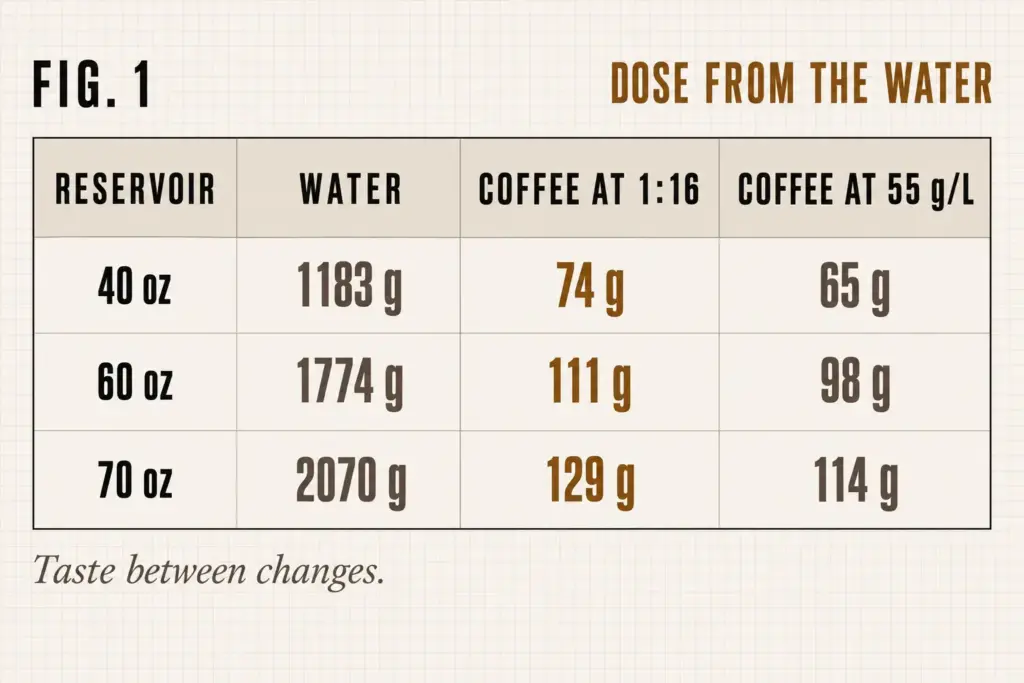
Pick 1:16 and keep it for a few pots before touching it. At 129 g the scoops add up to a long count, and a miscount of two or three is a different pot, which is why a scale beats counting scoops at this volume.
Fill the reservoir to its top line once, pour that water into a pitcher sitting on a zeroed scale, and write down the grams. Divide by 16, then tape both numbers inside the cabinet door. After that, no pot needs arithmetic, and the line on the reservoir stops being a guess.
Does the Basket Hold That Much
At this size the basket capacity is the limit, not the box. The box never gives it, so the manual’s fill line and the filter size it names are the only references that count. A bed of 129 g sits tall, and a tall bed wets unevenly, because water finds the thin spots first and leaves the rest of the grounds under-extracted.
A bed that rises close to the rim will often brew slower than the eight-cup pot did, and a drain that slow is a sign the pot is too big for the basket. If the dose will not fit under the fill line, brew the smaller pot and make a second one.
Taste the Pot, Then Change One Thing
Taste the first mug before changing anything. A thin, sour pot at the right dose points the same way as any sour cup: the water left before it finished, and at this volume that means the grind or the brew temperature. The free change is a notch finer, the same dose, then taste again; a notch finer for a drip basket covers how big a notch is.
If the next pot is rounder but still sharp, the machine’s water is the suspect, and that setting cannot be changed from the dial, which is what the plate and heater sections below are for. If the pot goes harsh and drying instead, the grind went a step too far, so come back half a notch.
And the dose is not the only reason a big pot tastes bleak and weak: that is mostly a pot that sat too long. It is just the first reason to rule out.
Two 14-Cup Machines and What Each One Gives Up
The dose is settled, so the question becomes what a 14-cup machine does with it. There are two to compare, neither is on the SCA list, and each one comes with its flaw before its praise.
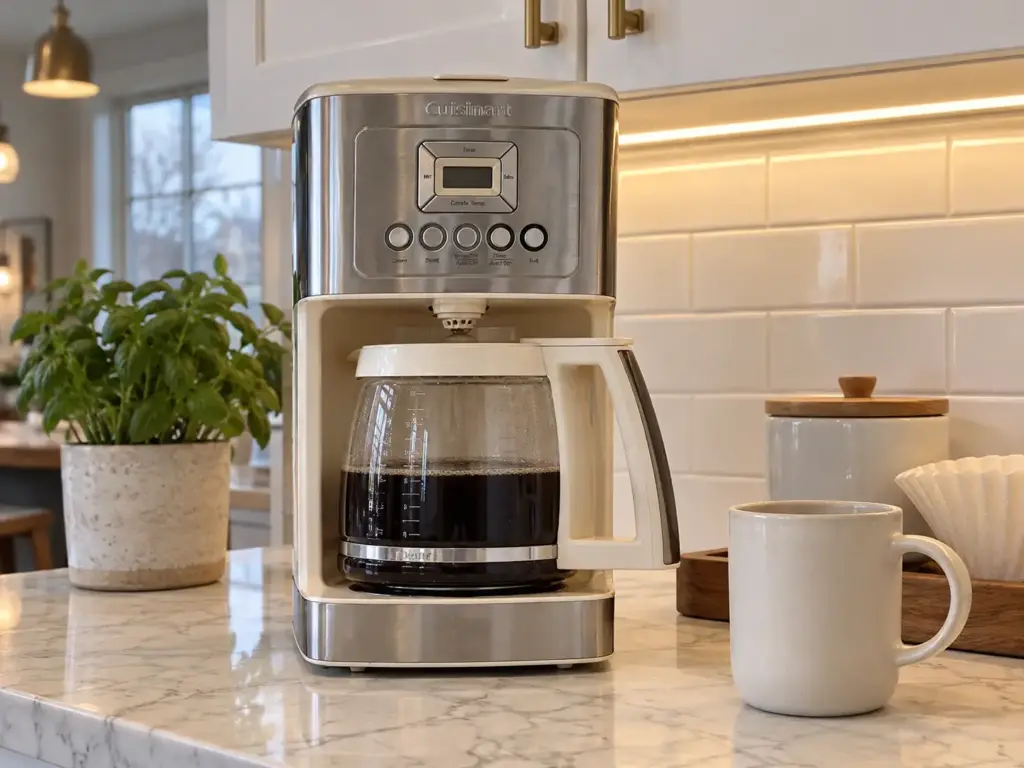
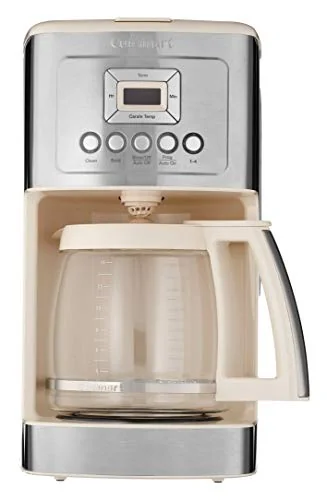
Cuisinart DCC-3200CRM 14-Cup Programmable
The Cuisinart is the obvious pick here: a glass carafe, a brew strength control and a 1-to-4 cup setting for a small pot, rated 4.4 of 5 across more than 44,000 ratings. What counts against it is that the heater can give out within a few years, the Clean light may never come on, and the machine can brew slower when it needs descaling. That is a warning, not a trend. Check its dimensions on the product page and measure the shelf before buying.
Mr. Coffee 14-Cup Programmable
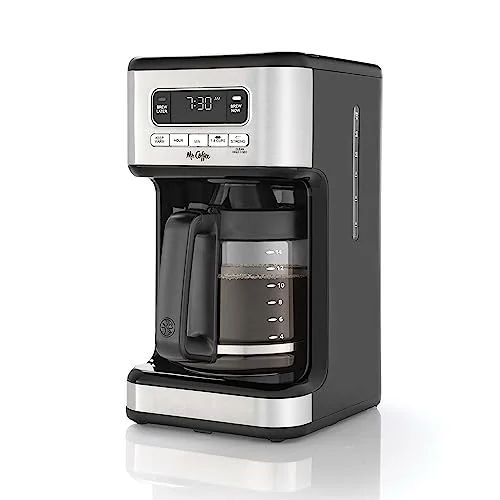
The cheaper machine does the same job of a full pot, and it is the only 14-cup one here with numbers you can check before buying. It has a 1-to-4 cup selector, a Strong Brew setting and Keep Warm, and no thermal carafe, so the pot sits on the plate. Consumer Reports measured it at 69 ounces and 14 inches tall, 8 wide and 9 deep (36 by 20 by 23 cm).
The brew temperature is where it falls down: in Consumer Reports’ lab test of the Mr. Coffee 14-cup, the brew “Fell short of recommended guidelines of 195°F or more, maintained for five or six minutes.” That is 195°F (91°C), for one machine in one test, but it is the only lab reading of a 14-cup brew in this article.
Which One for Which Counter
Take the Cuisinart if the strength control and the sheer number of ratings matter more than a figure you can verify; take the Mr. Coffee if the measured ounces and a known footprint matter more. Neither has a certified temperature behind it, so the dose and the plate habits in the sections around this one do more for the cup than the choice between them. Whichever box goes home, the glass carafe sits on a plate that keeps heating it, and that is where the next section starts.
The Last Cup on the Plate, and the Machine in Month Two
A full pot is a pot that sits, and the cup poured last is not the cup poured first. This section names what the plate does to a pot, and then what a bigger tank asks of you over the months.
The First Cup and the Last Cup Are Different Coffees
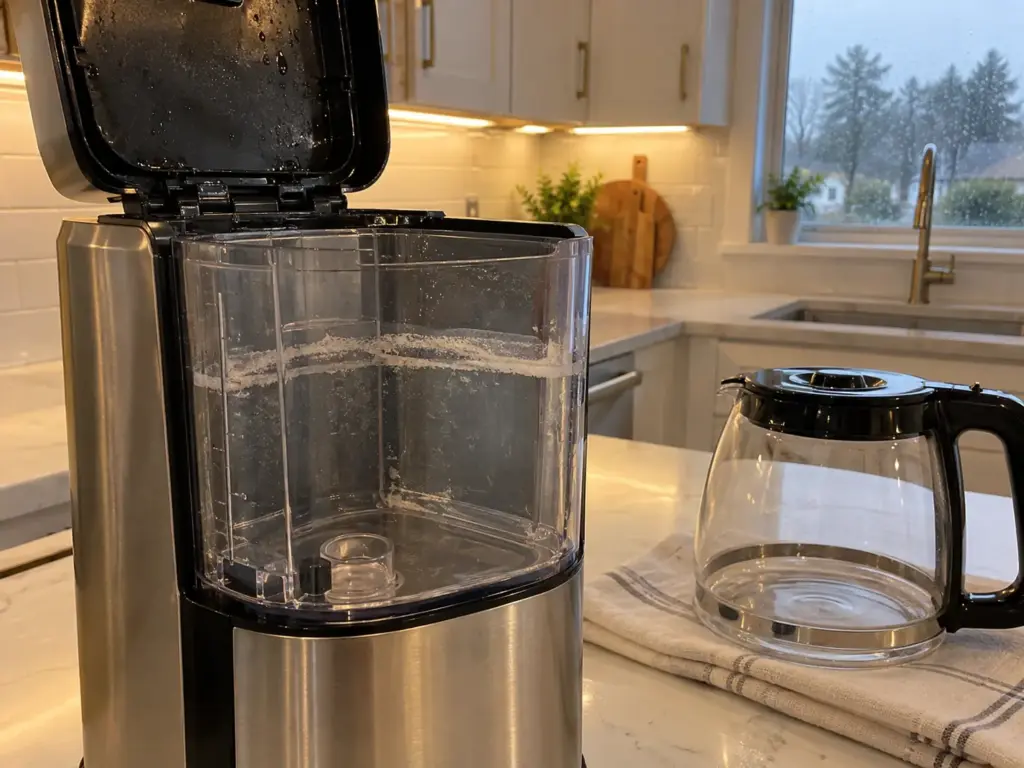
A glass carafe on a warming plate keeps getting heated, so the coffee does not just stay warm, it keeps cooking. CNET’s hold test of a 12-cup Melitta (a 12-cup machine, not a 14) had the pot at about 178°F (81°C) at 30 minutes and about 140°F (60°C) by the 60-minute mark.
The last mug from a glass carafe on a plate tastes flat and baked before it ever turns bitter, and by then the first mug seems like a different brew. Consumer Reports lists the Mr. Coffee 14-cup with a keep-warm function and no thermal carafe, so read that as the pot sitting on the plate. What a warming plate does to the heat is covered in our guide on cheaper machines.
Preheat the Carafe, or Decant at Once
Two fixes are worth knowing. If you preheat a stainless carafe before brewing, the pot can stay warm and tasty for a while, but that is a stainless carafe, and it says nothing about the glass carafes in this article. The other fix does carry over: “decant it into a carafe right away and brew a second batch,” which takes the pot off the plate before the plate gets to it.
Put a strip of tape on the side of the machine and write the date of the last descale on it. Time one pot against the clock now, while the machine is clean, and note it in the same place. A pot that takes noticeably longer to drip than that first note is the sign the date has passed.
Scale in a Bigger Tank: The Tell Is the Clock, Not the Light
A bigger tank and heater put more water through the machine on every pot, so there is more scale to remove at each descale. The month-two evidence is thin and it comes from two places. With this Cuisinart the Clean light may never come on, so a brew that slows down is the sign that it needs cleaning, and the coffee runs less hot.
Neither proves anything alone, and together they say the calendar is the signal. Follow the manual’s descaling or cleaning-cycle steps and put a date on the machine, because a pot that drips for longer than it did in the first week is already telling you.
When Two Batches or a Thermos Beat One Big Pot
Whether you need a bigger machine at all has a plain answer more often than the box admits: sometimes you do not. This section covers the cases where two smaller pots or a thermos give a hotter cup, and the two smaller machines that serve those cases.
Brew Twice and Decant
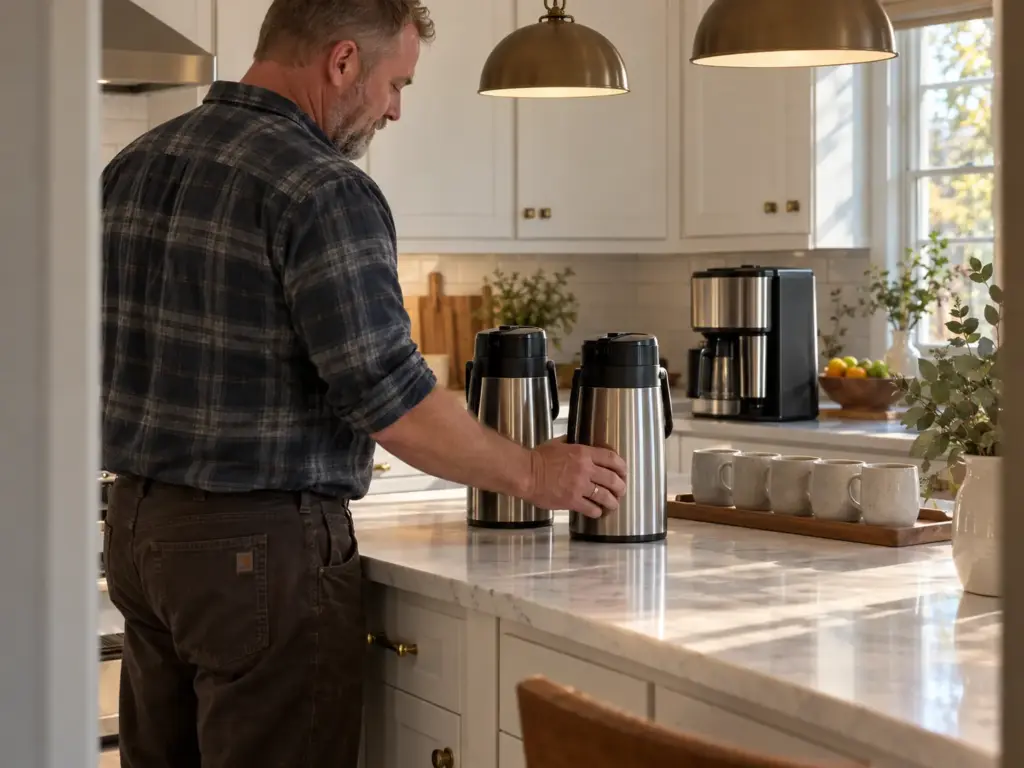
For a batch brew, decant the first pot at once and start a second: the second pot lands hot while the first is already off the plate. The cost is time, a second brew cycle, though not as much as it sounds, since Technivorm lists 40 ounces in 4 to 6 minutes for its machine.
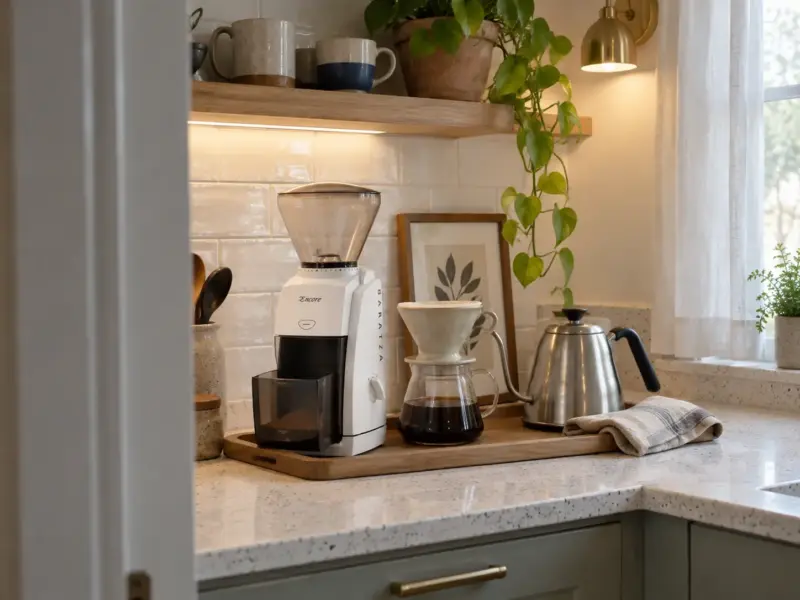
A large V60 can go straight into two thermoses in a few minutes, which is enough coffee for brunch. That is one reader’s setup, not a measurement, and the thread is old. A larger French press or a bigger Chemex can do the same job. The same logic runs the other way in a kitchen with one drinker, where the same machine run at one mug has its own problems.
A Thermos Does the Holding
Two 1 L thermoses hold about 68 ounces between them, close to the 69 ounces of the Mr. Coffee’s carafe, so two of them take a full pot with nothing left on a plate. A thermos moves the holding off the heater, and it is the heater that cooks the coffee.
Warm the thermos with hot tap water while the machine brews, tip it out just before filling, and pour the pot in as soon as the cycle ends. Coffee that waits on the plate before it reaches the thermos has already done the cooking the thermos was meant to avoid.
The 60 Oz Pot and the Half-or-Full Switch
For a smaller pot with a certification behind it there is the Technivorm Moccamaster 53941 KBGV Select 10-Cup, a 40-ounce glass-carafe machine on the SCA list, with a switch that makes a half or a full carafe (16 to 40 ounces). It is the smaller-batch argument, not a 14-cup, and it sits far above either 14-cup machine in what it costs. Amazon lists it with a future availability date, so check the listing before planning around it, and remember the stainless-carafe preheat does not transfer to its glass carafe. There is no repeated complaint to quote, which says less about the machine than about how little long-run evidence exists for it.
At the other end is the Breville BDC400BSS Precision Brewer, whose glass carafe holds 60 ounces, which is 12 box cups, so it is no bigger than the standard pot. It is not on the SCA list either, there is no repeated complaint to cite for it, and Amazon shows a future availability date for it as well.
Will It Fit, and How Many Pots Is a Bag?
The last two checks happen before the purchase and after it: the shelf the machine has to stand under, and the bag of beans that a full pot empties faster than the old one did.
Measure the Shelf, Not the Box
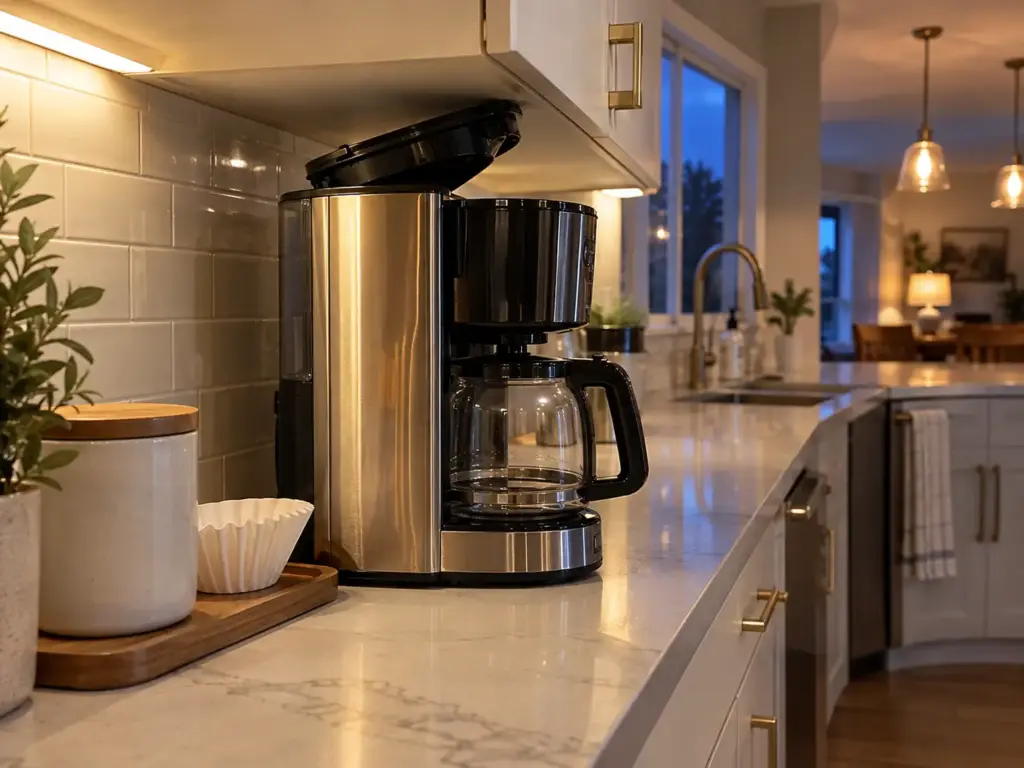
The Mr. Coffee 14-cup stands 14 inches tall (36 cm), so any under-cabinet gap shorter than 14 inches rules it out, and its 9 inches of counter depth decides whether the carafe clears the backsplash. For the Cuisinart, check the product page’s dimensions against the same gap.
Measure the gap with the lid open, not the machine alone. The lid has to swing up fully for the basket to be filled, and a machine that fits only when closed ends up pulled forward on the counter for every pot.
How Many Pots a Bag Makes
A 12-ounce bag is about 340 g. At 129 g a pot, that is about two and a half pots; at the 111 g of a 60-ounce reservoir, a little over three. Weighing the dose is the check, and how many cups a 12 oz bag makes does the grams-per-cup division for the smaller pots. The next decision after that is the carafe, glass or thermal, which is the question the plate raises; a scale is the other purchase a pot this size asks for.
Read the Carafe in Ounces, Then Taste the Last Cup
Read the carafe in ounces and set the dose from the water poured: a 14 on the box is about 70 ounces, and 1:16 turns that into about 129 g. What goes wrong with the 14-cup machines here is the plate and the tank, not the number on the front. Two batches or a thermos beat one big pot more often than the box suggests.
At the next descale, time how long the pot takes to drip and taste the last mug against how the machine behaved in its first week; a slower drip and a cooler cup mean the date has passed. Tomorrow morning, fill the reservoir to its line, weigh that water, divide by 16, weigh the coffee and brew. Taste the first mug and the last one, and if the last tastes flat and baked, decant the next pot at once before touching the grind.
Frequently Asked Questions
01Is there a coffee maker that makes more than 12 cups?
Yes, but only up to 14 box cups, about 70 ounces, for home drip machines; the SCA’s certified list names none rated above 12 cups. The 18, 20 and 24-cup listings are event-size units.
02Is there a 20 cup coffee maker?
Listings for 20 cups and up exist, but they are commercial or event-size units counted in a different cup, not household drip machines. A 14-cup machine, or two batches into a thermos, usually covers a large household.
03How much coffee does a 14-cup pot need?
About 129 grams for a full 70-ounce reservoir at 1:16, but the dose follows the water poured in, not the box. Weigh the water once, divide by 16 and keep the number. That is our arithmetic; the carafe ends a little short of the water because the grounds hold some back.
04Does a bigger coffee maker make worse coffee?
Not because of size alone; the dose, the heater and the warming plate decide it. Consumer Reports’ lab found one 14-cup machine’s brew fell short of the 195°F (91°C) guideline, one machine in one test. Decanting at once or using a thermos protects the last cups.
05Is it better to brew two batches or one big pot?
Two batches keep the second pot hot and away from the plate, at the cost of a second brew cycle.

How did your cup turn out?
No comments yet. Tell us what you changed — and whether the needle moved.