
We may earn a commission when you buy through links on this page. It never changes what we recommend. How we pick
On this page9 parts
- Which Ninja You Are Actually Shopping For
- The Drip Model's Numbers, and the One That Doesn't Decide the Cup
- The Free Change Before Another Brand: Strength and Yield
- The Hot Plate: What Happens to the Pot After the Brew
- The Drip-Plus-Pod Combo and the Pod-Only Line
- Month Two: What a Seven-Year-Old Thread and a Descale Cycle Say
- When Another Brand Is the Better Buy
- Weigh the Dose, Go One Step Finer, and Check the Plate in a Month
- Frequently Asked Questions
The first cup from the pot tastes thin and the last one, two hours later, tastes cooked, and nothing on the Ninja box says which of its machines you are holding. Those are two separate faults: a thin cup means the water left the grounds too early, and a cooked one means a warming plate has been working on a glass carafe. A review of the Ninja coffee maker has to split the family before it judges the cup, so this one sorts the three machines, checks the drip model’s numbers, and puts two free changes, the grind and the plate, ahead of buying another brand. Each family comes with its flaw in writing.
Quick Answer
A Ninja drip coffee maker is worth the counter space as a plain pot, not as a heat upgrade: the CE251 averaged 191.6°F (88.7°C) in one lab test, under the Gold Cup’s 92°C minimum. Strength and yield decide the cup more than heat, so weigh the dose and go one grind step finer, then taste, before paying for another brand.
Which Ninja You Are Actually Shopping For
One name covers machines built for different mornings, and a review of one is easy to mistake for a review of another, so the family gets sorted before any flaw is judged.
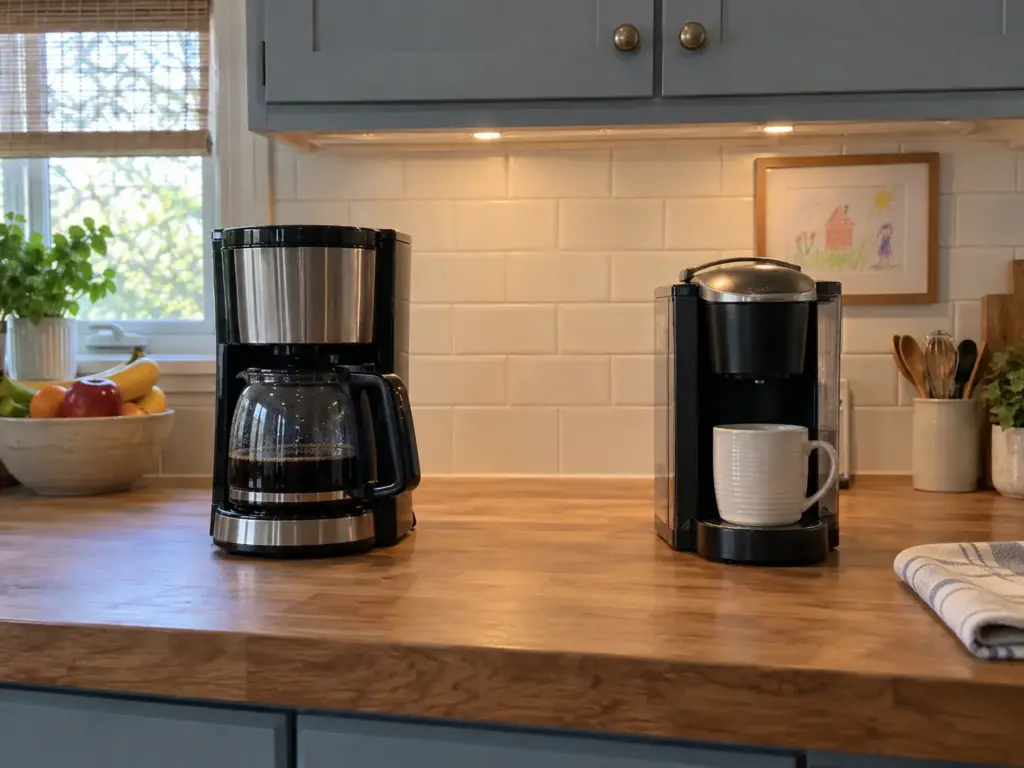
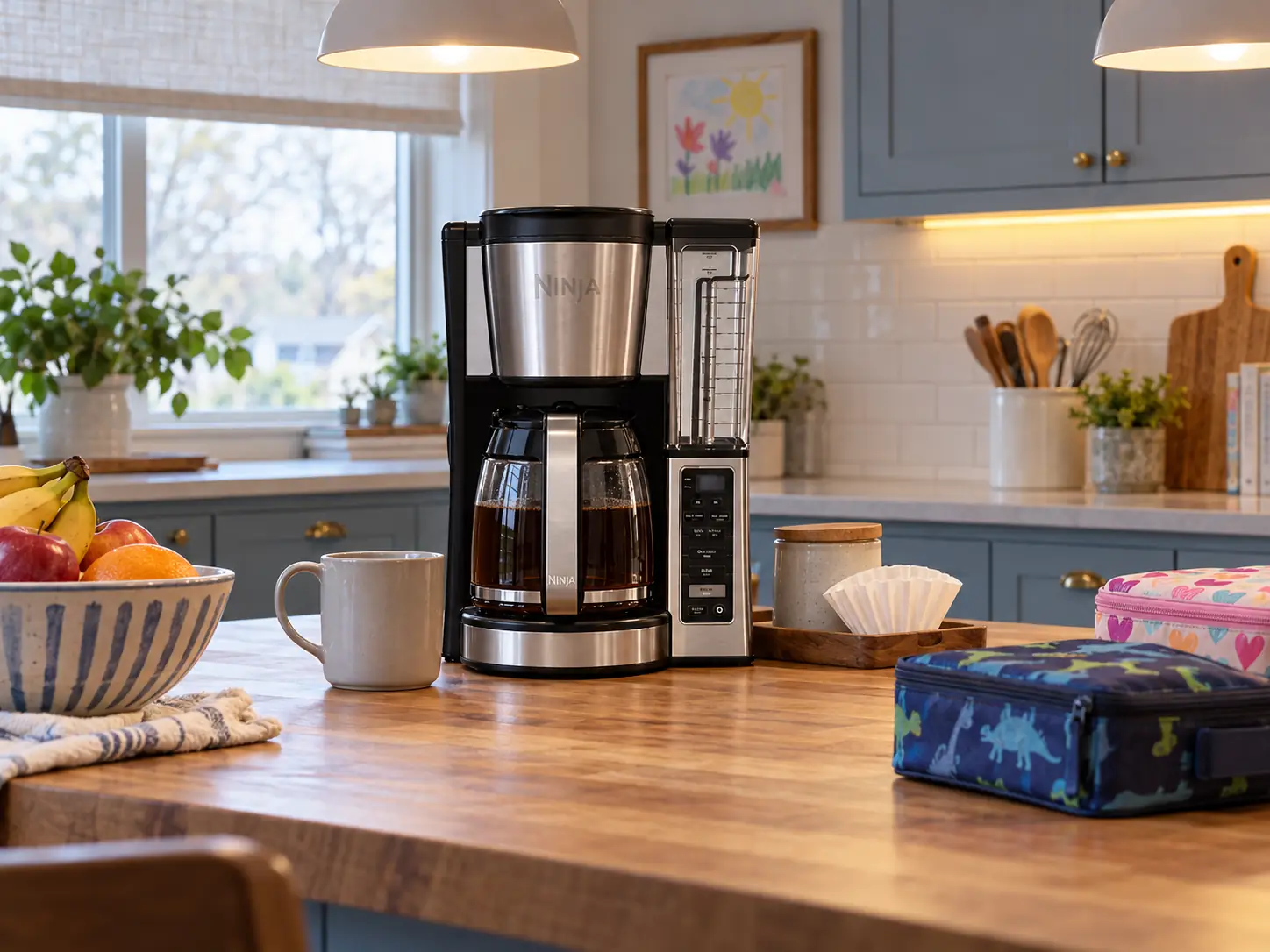
Three machines matter here. The Ninja 12-Cup Programmable Coffee Maker CE251 is a plain drip machine: a glass carafe, a warming plate and a cone filter. The Ninja DualBrew Pro CFP301 keeps that 12-cup glass carafe and adds a single-serve side that takes grounds or K-Cups, in four brew styles. The Ninja Pods and Grounds machines drop the carafe and are single-serve coffee makers, brewing one cup at a time.
A listing that says only Specialty still does not tell you which of the three you are looking at, because the word names a brew style, not a machine. The Luxe Café espresso machines are a fourth line and a different decision, a question of grinders and pressure that belongs with espresso machines, so they stay out of this one.
The brand sets the name; the model sets the cup, which is also why the comparison of which brand of drip coffee maker is best looks at parts and years instead of logos. Answers about whether the Ninja is worth it often mix up a glass-carafe drip maker, a thermal-carafe model and a pod machine as if they were one product.
The Drip Model’s Numbers, and the One That Doesn’t Decide the Cup
The plain drip model is the one most readers end up comparing, and the numbers published for it disagree with each other. This section says which reading to trust and which number does not decide the cup. The machine in question is the Ninja CE251.
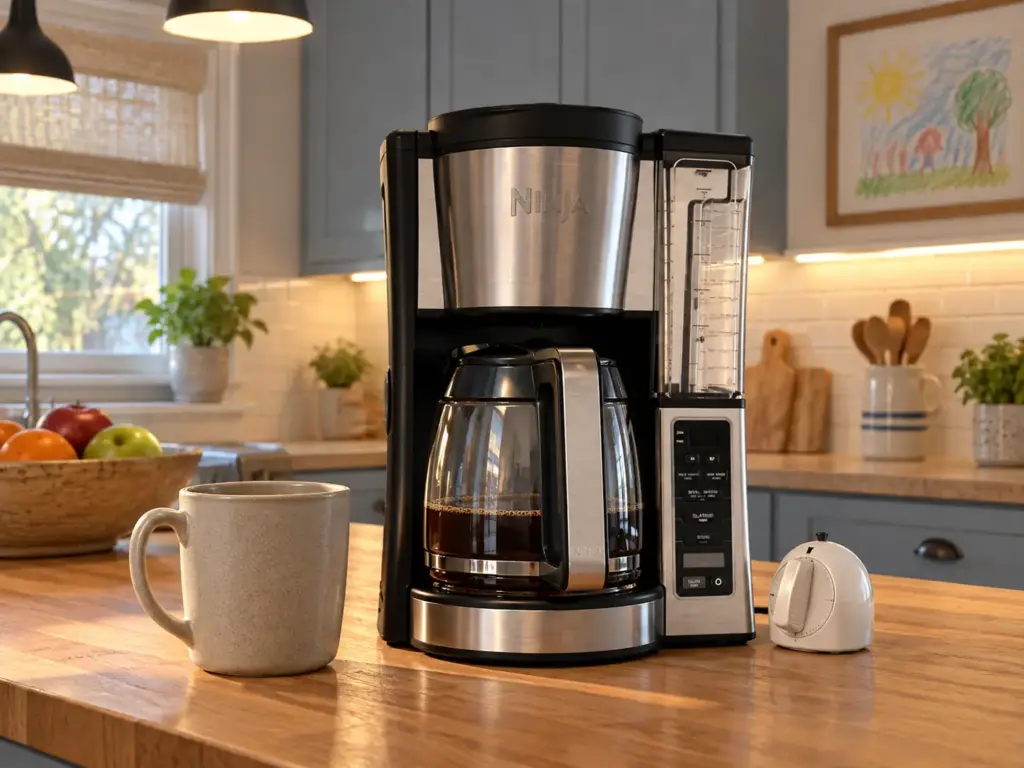
What two readings of the heat say, and the SCA minimum
TechGearLab measured the CE251 over five batches and got an average of 191.6°F (88.7°C), which it called “close to the preferable range.” Coffeeness, reviewing the same machine, reports it brewing at “around 200 degrees Fahrenheit (93 degrees Celsius)” and does not say how it measured. The two readings sit about eight degrees apart, and only one names a method, so the five-batch figure is the one this article leans on. Ninja says the CE251 has an aluminum boiler designed to help regulate the brewing temperature; that is the maker’s promise, and the five-batch average is the test of it.
Against the standard, the Gold Cup specifies a minimum of 197.6°F (92°C), so 191.6°F falls short.
Read that as a flag, not a verdict. In the Specialty Coffee Association’s report on the UC Davis brew-temperature study, the researcher says the team expected temperature to matter a lot and found instead that “it matters very little, provided you control the brew strength and extraction yield.”
The tasting panel drank coffee brewed at 188.6°F (87°C), 194°F (90°C) and 199.4°F (93°C), and the team adjusted grind size and brew time so that strength and extraction yield stayed steady. The CE251’s 88.7°C sits between the first two. Brew temperature still counts when a machine really runs cool, and a drip coffee maker picked by water temperature covers that case; for a reading this close to the line, the work moves to the grind and the dose.
Seven minutes one brew, eight the next
Over five brews, TechGearLab clocked the CE251 anywhere from 7 minutes flat to 8 minutes 18 seconds and called the brewing time “fairly inconsistent.” That is 78 seconds of difference on the same machine, and 78 seconds is a real change in how long the water works on the grounds. It is also the kind of drift only a clock beside the machine shows. So the clock is a poor referee for a grind change, and the cup is the better one.
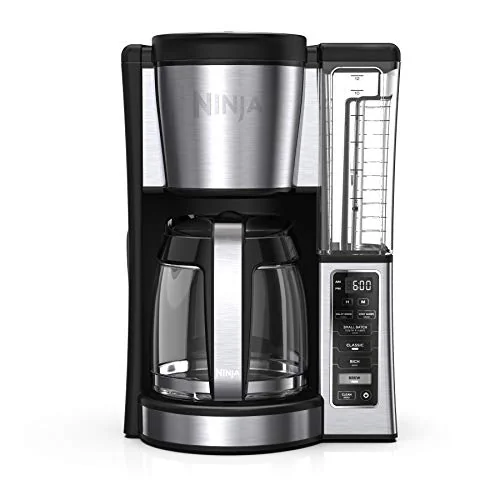
The noise and the flaw, in writing
Coffeeness counts the CE251 among the noisier machines it has reviewed, with gurgling and popping through the brew and three polite beeps at the end.
TechGearLab adds a flaw of its own: the cone-shaped reusable basket is metal and plastic, which can alter the taste a little. In fairness, the same review found the water distribution “impressively even,” better than many comparable machines. The grind and the dose can absorb the wandering brew time and the heat reading; the noise and the basket are annoyances you live with. The flaw that really reaches the cup comes after the brew, and it has its own section below.
Time a few pots from the first drip to the last and jot the numbers on the filter box. If they drift by about a minute, as they did in the lab, stop using the clock to judge a grind change and use the cup.
The Free Change Before Another Brand: Strength and Yield
If heat is not the number that decides the cup, the levers left are the ones already in your hand, the grind and the dose, and they cost nothing. They also come in an order, because changing both at once leaves you unable to say which one worked.
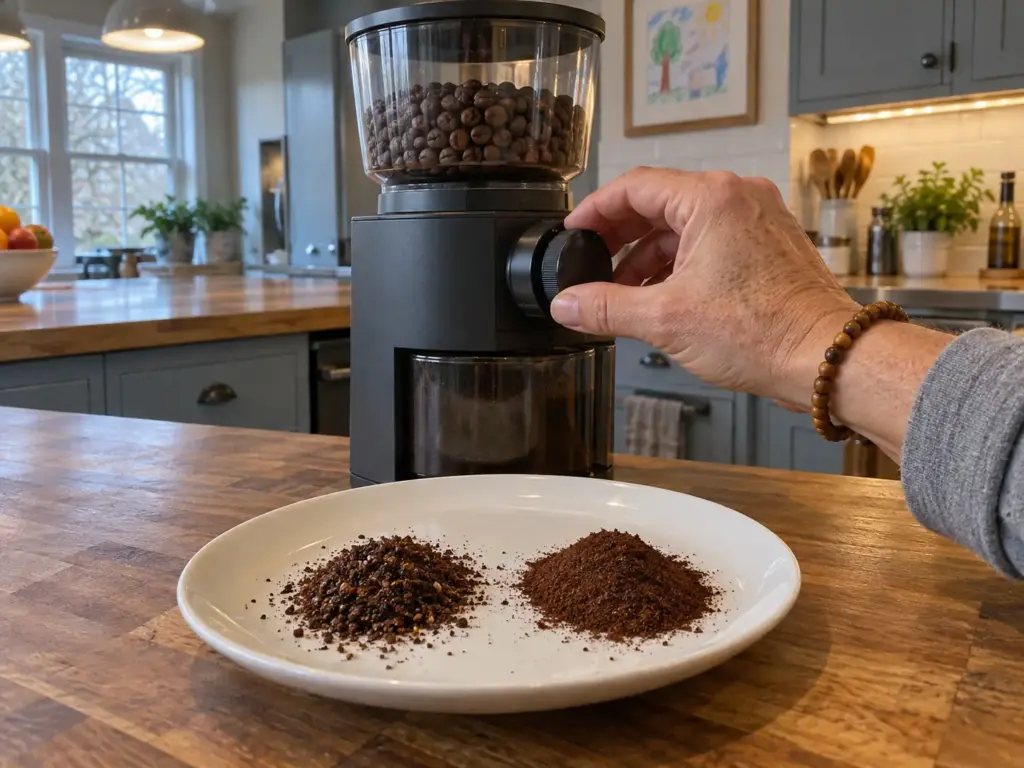
Sour or bitter: which way to move
Start with the direction the cup is off. Sour, thin or hollow means the water left the grounds before it finished (under-extraction), so the first move is finer. Bitter, harsh or drying means the water stayed too long, so the first move is coarser. Cooler water extracts a little less, which pushes the same way a coarse grind does, so a machine on the cool side is one more reason to try finer before anything else.
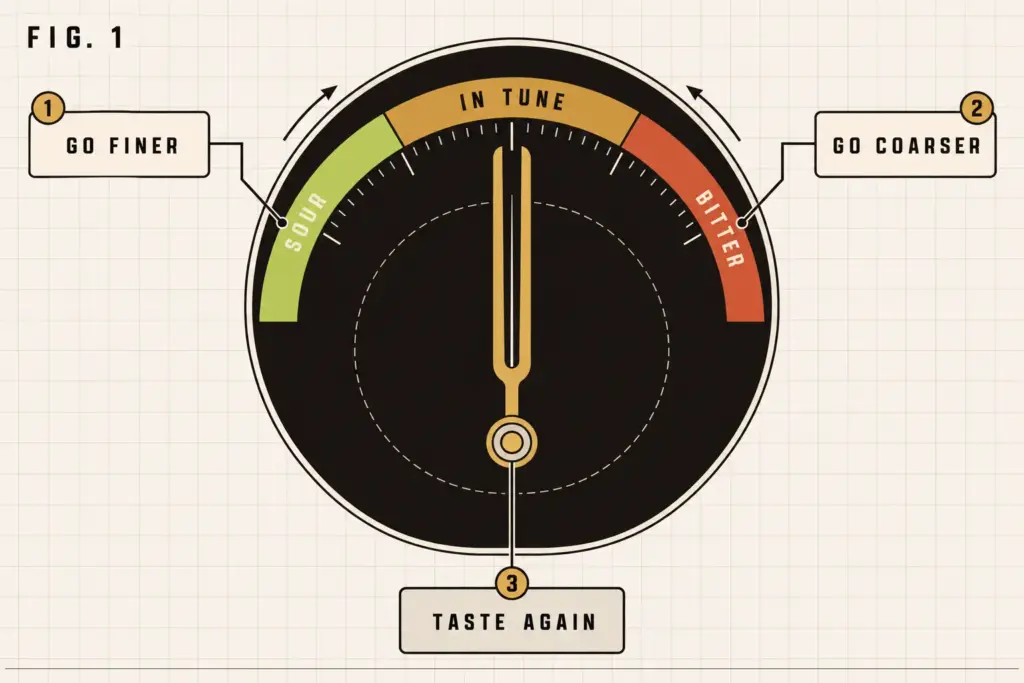
One grind step, then taste
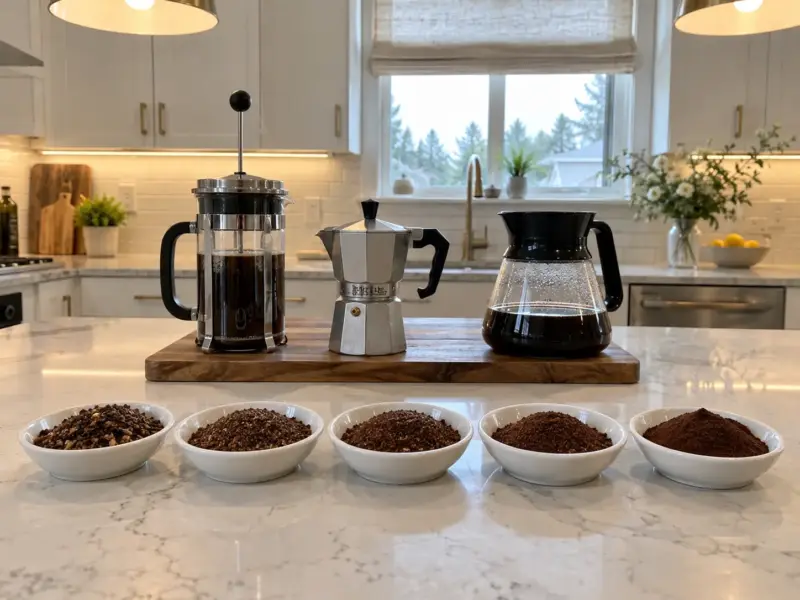
Start from the setting in the best grind size for a drip coffee maker, go one step finer, change nothing else, and brew the same coffee the same way. Taste the second pot, not the first: a grinder keeps some grounds inside it, so the first dose after a change still comes out at the old setting. If the cup is rounder and sweeter, it worked, and you can leave it there.
If it turned bitter and drying, it went one step too far, so come back half a step. And if the coffee comes pre-ground, the step is a different bag, not a dial, but the same order holds.
Test a grind change on a day you are not also opening a new bag. A new bag brings a new roast date, and the cup will move for reasons the dial did not cause.
Weigh the dose before you blame the heater
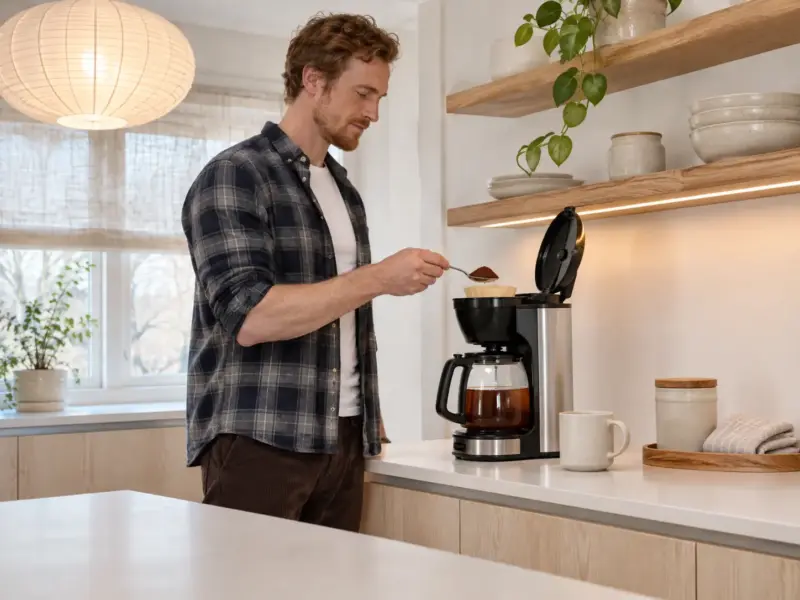
The second change is the dose. A scoop is a volume, and the weight it holds swings with the roast and the grind, so two level scoops are not the same coffee on two mornings. Put three level scoops on a scale and divide by three: that is what your scoop really delivers.
Pick that weight, hold it, and only then adjust. More coffee for the same water raises the brew ratio and makes a stronger cup, less makes a weaker one, and the overshoot at the top is a heavy, bitter-edged pot. These two, the grind and the dose, are what the UC Davis researcher means by brew strength and extraction yield, the pair a home brewer actually controls; the heater is not one of them.
The Rich button is not a shortcut around either. TechGearLab found it made the coffee slightly stronger, “though the difference was minimal and hard to taste.” The order stays the same: the grind first, the dose second, and the water or the machine last, because a scale changes more cups than a new machine does.
The Hot Plate: What Happens to the Pot After the Brew
A cup that tasted right when it finished brewing can still be wrong two hours later, and from here the cause is the plate and the carafe, not the grind. Glass does not hold heat on its own, so a warming plate does the job, and the plate has a side effect.
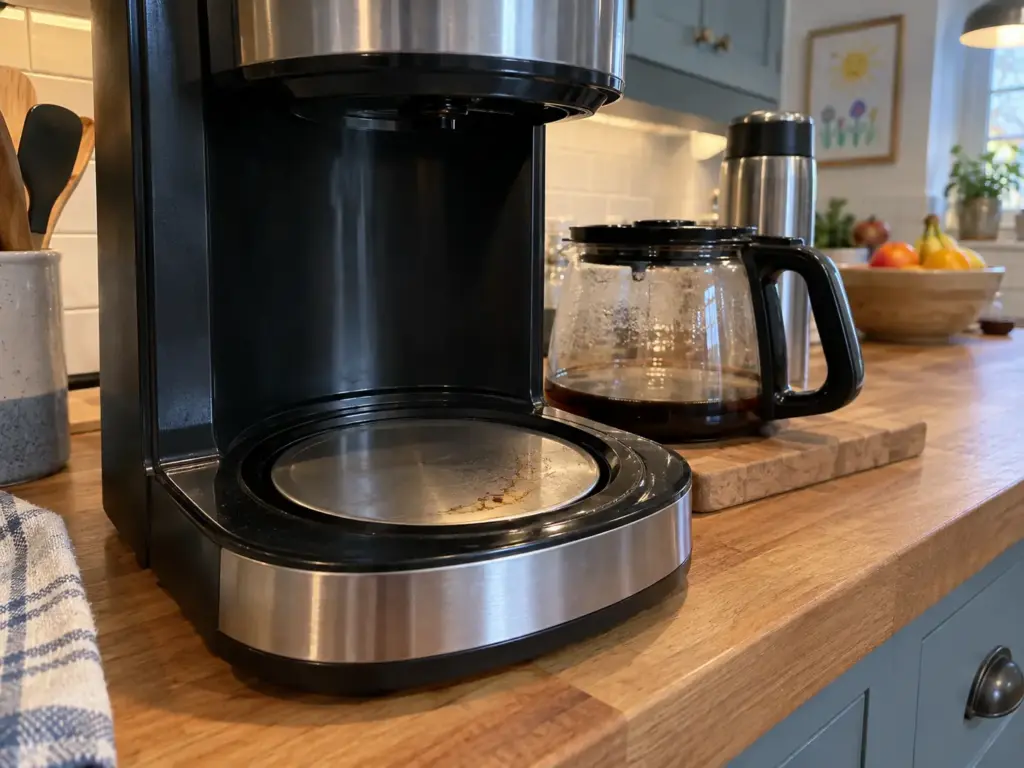
The plate burns the drips and cools the pot
TechGearLab’s notes on the CE251 hold two facts that pull in opposite directions: the hot plate collects coffee drips that then burn, and in the lab the plate did not heat the coffee further after an hour, while the carafe cooled by 10°F. The pot is losing heat while the plate cooks whatever landed on it.
Tom’s Guide, reviewing a different Ninja, the Fresh Brew, found that a two-hour-old cup tasted a bit stale next to a full-bodied fresh one, and lists coffee that tastes stewed after one to two hours among its drawbacks.
A 12-cup comparison on SixStoreys makes the same point as a claim, not a measurement: glass with a warming plate “eventually produces a burnt, cooked flavor as coffee sits,” and it adds “especially after the first hour.” The sign you can check yourself is the pale brown crust of dried drips on the plate once it has cooled.
Two hours, four hours or off
On the DualBrew Pro, Brew Coffee Home reports a default plate time of two hours that can be raised to four in 15-minute steps, or turned off completely; holding down the keep-warm button for a few seconds is the way to change it. Four hours is presented as a feature. Tom’s Guide, on the Fresh Brew, would not run it that long “unless you enjoy the taste of stewed coffee.”
If the plate shuts off before a refill, the coffee goes cold, and on some models there is no way to change that. The two complaints point opposite ways, a plate that quits too soon and a plate that runs too long, and they share one answer: the timer is a setting, and the best setting is the one you choose.
Pour out, don’t keep warm
The free fix has two parts. Pour what you will not finish soon into a flask, and let the plate go, switching it off where the model allows. A glass carafe with no plate holds nothing, so the flask is doing the work the plate only pretends to do.
A carafe that holds heat without a plate is the better answer, and an insulated carafe is where to look: drip coffee makers sorted by carafe heat lines them up. And wipe the plate after it cools: the crust of dried drips is the first thing the next pot will smell.
Warm the flask first: fill it with hot tap water while the pot brews, pour the water out, then pour in the coffee. A cold flask pulls heat out of the coffee it is meant to protect, and the pot you saved tastes flat for the wrong reason.
The Drip-Plus-Pod Combo and the Pod-Only Line
The DualBrew Pro keeps the glass carafe and adds a pod side, so it inherits the plate from the last section and brings three questions of its own: what Specialty means, what the frother does, and what the pod-only machines are for.
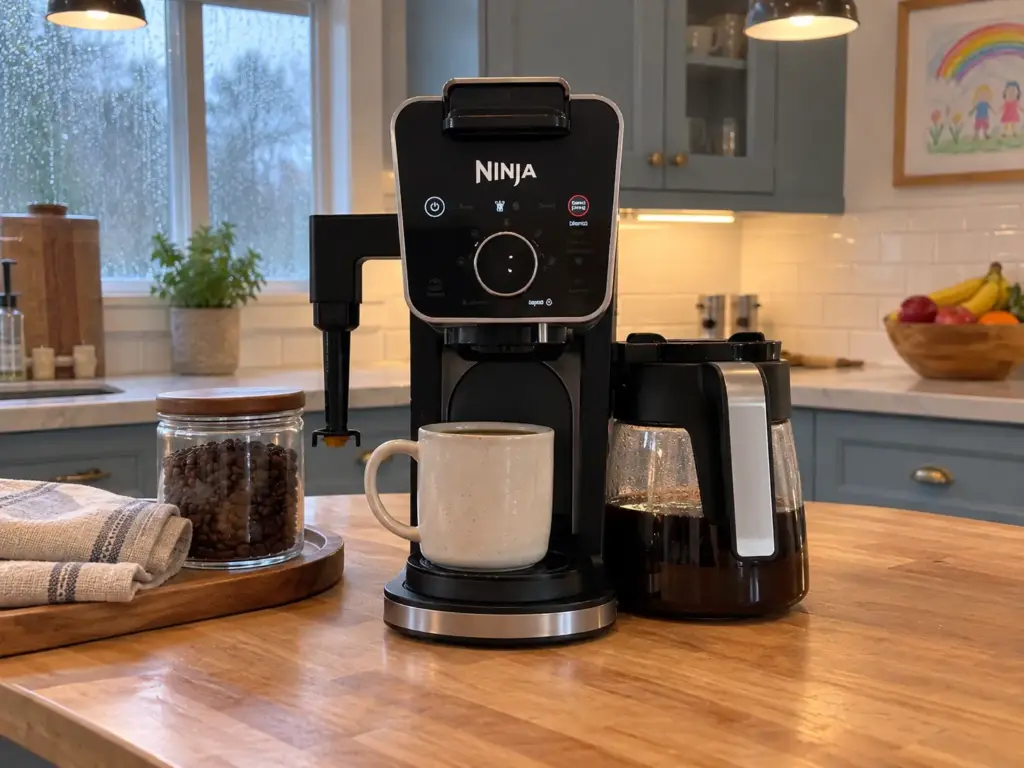
What “Specialty” actually is
Brew style on these machines is a water ratio: Classic, Rich, Over Ice and Specialty each decide how much water meets the coffee. According to Tom’s Coffee Corner, the Specialty brew always uses just 4 ounces of water for a very strong drink, and Brew Coffee Home calls the result an espresso-like concentrate, a base for lattes and similar drinks. That makes it a drink mode, not a stronger drip cup, and not a way to brew the pot. Over Ice works the same way from the other side: it brews a small amount of coffee and stops, so melting ice does not leave it watered down, and the 14-ounce option brews 6 ounces of hot coffee before the ice does the rest.
The frother that doesn’t heat the milk
The fold-away frother works like a handheld whisk, not a steam wand: it froths cold milk and does not heat it, according to Brew Coffee Home. So the Specialty concentrate meets milk straight from the fridge unless the milk is warmed first. Warm it before it goes under the whisk, or keep the frother for iced drinks, because the alternative is a latte that ends up in the microwave.
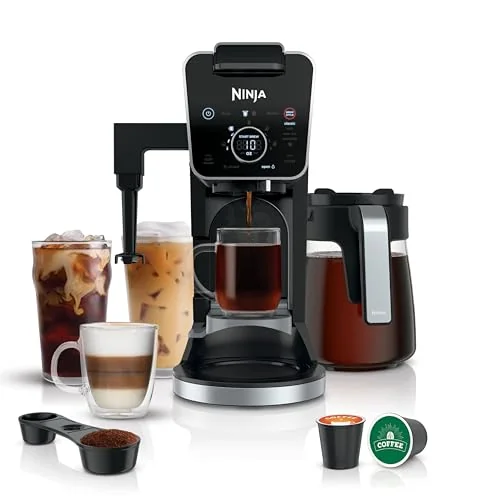
The pod-only machines and the grind that fits a K-Cup
The pod-only line drops the carafe, which also drops the plate problem. The Ninja Pods and Grounds PB041 Iced Coffee Maker takes K-Cups or grounds from a 56-ounce reservoir in three brew styles, Classic, Rich and Over Ice, with no frother. The spec sheet is all that is on the record for it here, with no hands-on report.
A pod machine that also takes grounds hands the grind back to you, and a K-Cup’s grind is a different number from a drip basket’s; the coffee grind size for a K-Cup covers it. For the reader who wants the frother and the Specialty style, the Ninja Pods and Grounds PB051 Glacier Blue Combo adds both, going by its listing title alone.
Month Two: What a Seven-Year-Old Thread and a Descale Cycle Say
Every number above is a week-one number, and the only month count anyone put on record is a single comment. This section says what is known, what is one voice, and what to look at yourself.
One voice at ten weeks
Two voices are anecdotes, not a failure rate, and the thread mixes several Ninja models, not only the CE251.
The year-two question is asked properly in the year-two test of a cheap drip machine. Beyond those two comments, the month-two picture for the Ninja line is blank, so the check falls to you.
Descale time and the water in the tank
TechGearLab lists the CE251’s descale cycle at 42 minutes and notes a separate descaling button. That is long enough that a cycle gets postponed until the pot tastes flat, and scale is a slow problem: hard water leaves mineral deposits that slow the machine and cool the brew. Filtered water helps keep the machine clean. That is a routine, not a fix, and the descaling interval is not given.
Stick a strip of masking tape on the reservoir and write the date of each descale on it. A 42-minute cycle is easy to put off, and a date on the tank is harder to ignore than a plan in your head.
Plastic parts and a one-year warranty
The DualBrew Pro is built mostly of plastic around its glass carafe, and its warranty runs one year. Whether that plastic holds up at month two is the honest gap, because no review of it counts the months. If plastic against hot water is what bothers you, a drip coffee maker with no plastic parts shows the alternative.
When Another Brand Is the Better Buy
A different brand wins when the Ninja’s flaw is the one that bothers your mornings, so this section matches the flaw to the brand.
When a plain 12-cup Cuisinart does the job
If you do not want the extra brew styles or a pod side, the Cuisinart DCC-1200P1 Brew Central is a plain programmable 12-cup pot that does the CE251’s job with less to configure. It gives up the pod side by design, and no repeated complaint is attached to it here; its flaws and the cups-brewed question live in the Cuisinart coffee maker review.
When the batch size points elsewhere
The number printed on the box is the next trap: a 12-cup label does not tell you how many ounces end up in the carafe, so count ounces, not cups before comparing a 12-cup Ninja with anything else. If the real question is how small a batch a machine can brew well, the Moccamaster review answers it. And if the pot is mostly poured out within the hour, a cheaper machine does the same job: the half-full carafe emptied into the sink in the afternoon is the sign you bought more machine than you drink. Once the family is chosen, the carafe and the descaling routine are the next two questions, and neither depends on the logo.
Weigh the Dose, Go One Step Finer, and Check the Plate in a Month
Three things carry over. Sort the family first: the plain drip pot, the drip-and-pod combo and the pod-only machine are three jobs under one name, and each comes with its own flaw. Read the heat number as a flag, because 191.6°F (88.7°C) is a reason to taste, while the grind and the dose, which cost nothing, decide the cup. And treat the plate as the real risk to a glass-carafe pot, since it cooks what it holds.
A month from now, look at the plate for a crust of dried drips and at the reservoir for white scale; if either has built up, the cup has been telling you before the machine did. Tomorrow, weigh the coffee you scoop, go one grind step finer, brew the same pot and taste it against yesterday’s: rounder and sweeter means the water finally had time, and a dry, bitter edge means come back half a step.
Frequently Asked Questions
01Is it worth buying a Ninja coffee machine?
It depends on the family: the CE251 is a fair 12-cup drip pot with a plate that cooks what stays on it, and the DualBrew Pro adds a pod side. Pick by the flaw you can live with.
02Is Ninja a good brand of coffee maker?
The brand sets the name and the model sets the cup, so each Ninja has to be judged on its own flaws, not the logo. The drip model is noisy and uneven in brew time, and the combo is mostly plastic.
03What are some common problems with Ninja machines?
The documented problems are a noisy brew, a brew time that wanders by over a minute and a plate that burns drips and cools the pot. The DualBrew Pro is mostly plastic.
04Which coffee maker is better, Cuisinart or Ninja?
It depends on which flaw bothers you: a plain 12-cup Cuisinart brews the same kind of pot without the Ninja’s extras. The Ninja adds brew styles and, on the DualBrew Pro, a pod side. The Cuisinart coffee maker review covers its cups-brewed question.
05Does the Specialty setting make a stronger cup of coffee?
No. On the DualBrew Pro, Specialty is a concentrated drink mode that always uses just 4 ounces of water, meant as a base for lattes, not a stronger drip cup. Its frother does not heat milk, so warm the milk first.


How did your cup turn out?
No comments yet. Tell us what you changed — and whether the needle moved.