
We may earn a commission when you buy through links on this page. It never changes what we recommend. How we pick
On this page7 parts
- What a Thermal Carafe Holds, and What It Can't Fix
- Check the Brew Before You Blame the Carafe
- Two Thermal Drip Machines on the SCA Certified List
- What a Thermal Carafe Costs You by Month Two
- Two Thermal Machines Without the SCA Listing
- Preheat Tomorrow, Then Taste the Last Cup Against the First
- Frequently Asked Questions
You fill the reservoir at seven, the pot is thermal, and the cup you pour at ten is flat anyway, which means the carafe did its job and the brew it was handed is the question. A carafe keeps heat in; it cannot put back flavor the water never pulled out. That reorders the search for the best drip coffee maker with thermal carafe: the machine’s brew comes first and the carafe breaks the tie. Below you’ll find what the carafe holds, the free checks in the order to run them, four machines with each flaw written down, and what the lid and the mouth cost you by the second month.
Quick Answer
A thermal carafe keeps coffee hot without a hot plate cooking it, but it only holds what the machine brewed. Taste the pot first, preheat the carafe, then pick the machine by its brew. The Moccamaster KBT and the Fellow Aiden are the two here on the SCA certified list.
What a Thermal Carafe Holds, and What It Can’t Fix
The carafe is the second decision in this purchase, and it helps to say plainly what it does before you shop for one. It holds heat. It adds nothing to the cup, and it does not repair a pot that came out wrong. The checks later in the article make more sense once that line is clear.
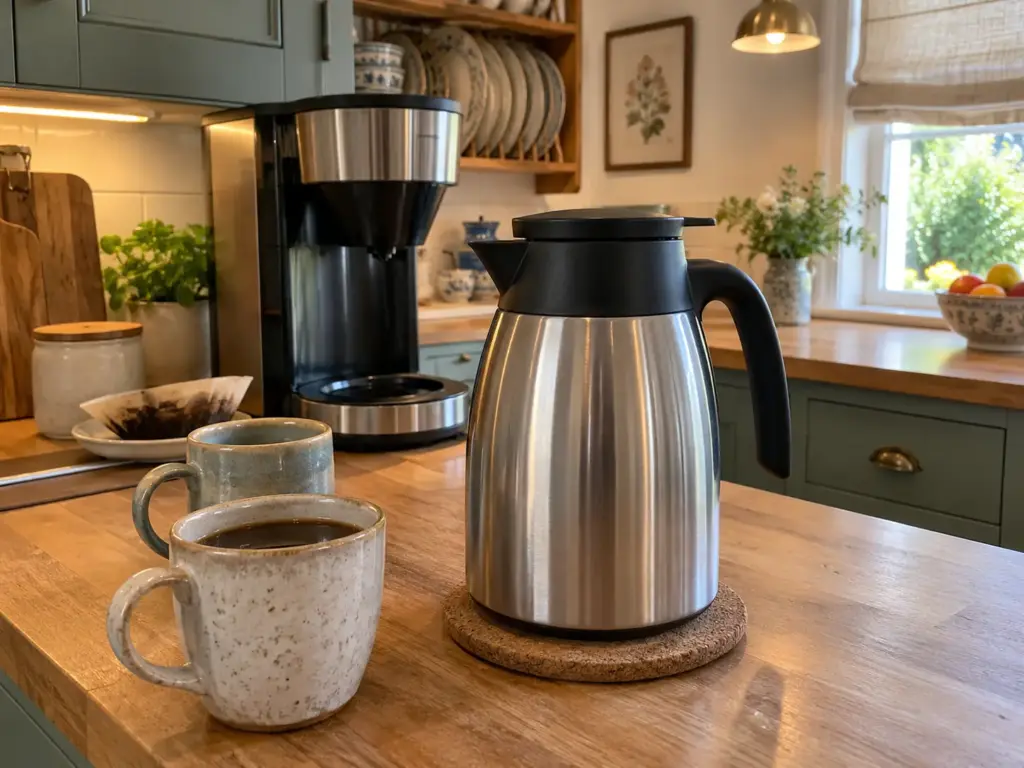
A double-walled carafe holds heat, a hot plate keeps cooking
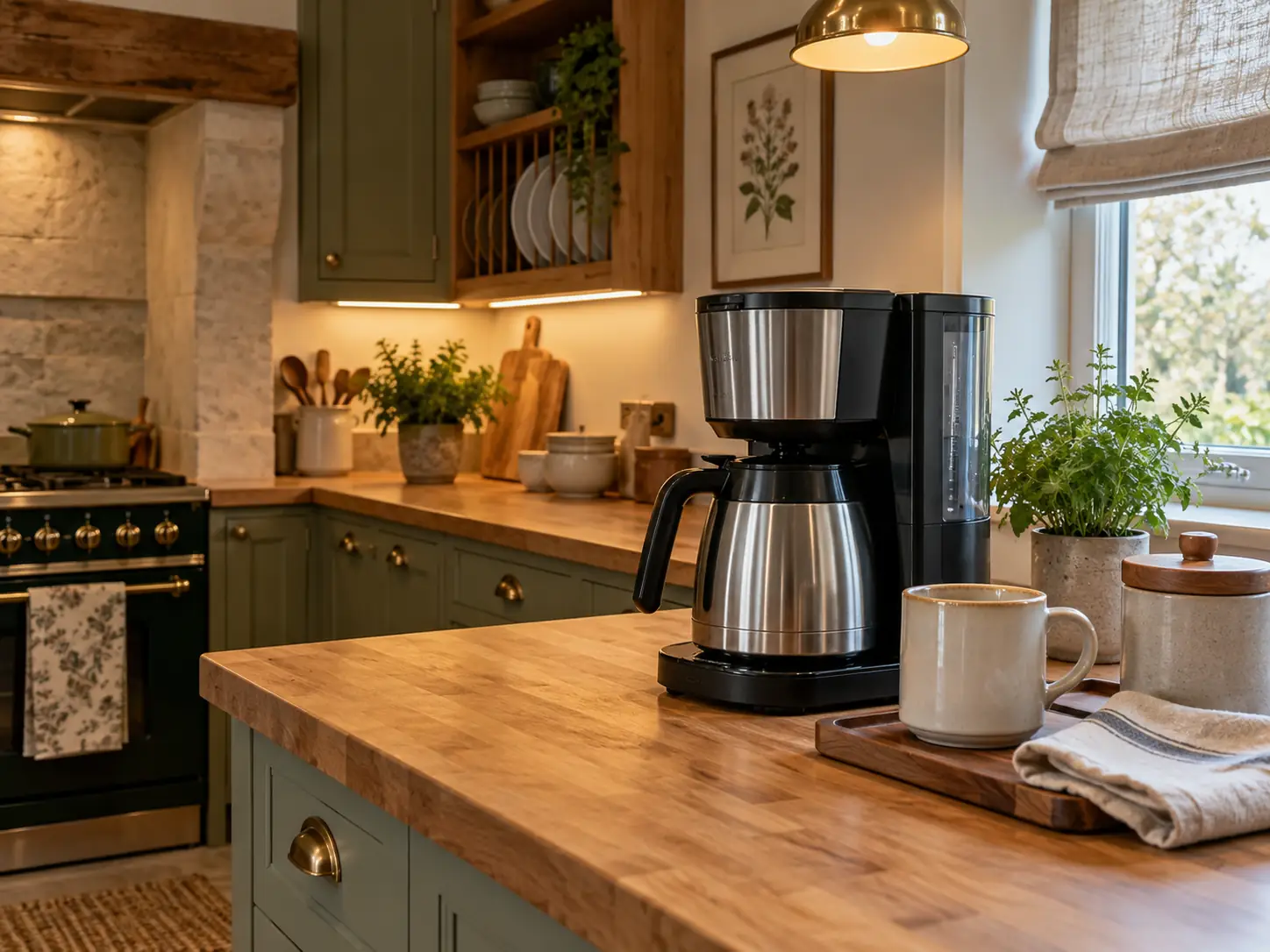
A thermal carafe coffee maker pairs the machine with a double-walled, vacuum-insulated stainless steel pot, and it sits under the basket with no warming plate beneath it. That absence is the feature.
A glass pot on a hot plate is being heated the whole time it waits, because that is what the keep-warm setting does, so the coffee keeps cooking after the brew ends and what you pour late in the morning tastes burnt and flat rather than just cooler. Steel just loses heat slowly. Picture a glass pot left on its plate for an hour next to a steel pot with the plate off: one cup tastes cooked, the other tastes like coffee that has cooled a little.
Buyers describe the wish in plain terms. A good setup for coffee that stays hot is a stainless carafe inside and out with no hot plate. Some Bunn users skip the warmer, pour into a thermos, or let the pot cool and reheat a cup later. The warming plate is a choice, not a need. And if what you really want is the head-to-head, how long glass and thermal actually hold the cup is settled in its own article, so it isn’t argued here.
The brew is made before the carafe sees it
By the time coffee drops into the carafe, the cup is decided: the water temperature, the grind, the time the water spent in the grounds. A flat pot goes into the steel flat and stays flat. A sour or bitter pot stays exactly as sour or bitter as it was, only hot for longer. That is the whole argument for checking the machine before blaming the carafe.
The carafe does add one thing of its own, and it is covered further down: its lid and its narrow mouth are where a cup can pick up the pot before it.
Check the Brew Before You Blame the Carafe
The free checks come first, and they come in order. Taste between each one so you know which change moved the cup. The carafe is the last suspect, not the first.
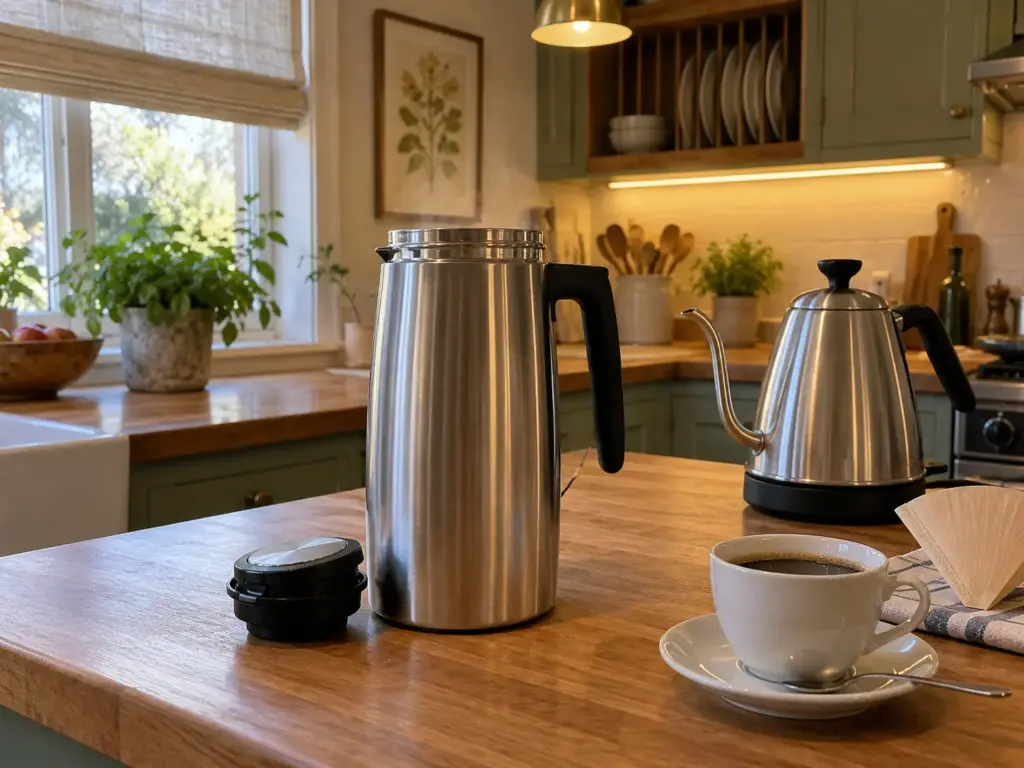
Taste first: which way the pot is off
Name the direction before you touch anything. Sour or thin means the water left the grounds early or too cool; bitter or harsh means it stayed too long, which is over-extraction. A pot that is off from the very first cup, poured straight from the machine, was never a carafe problem, because the carafe has not had time to do anything yet. What the carafe can cause is a pot that gets worse as the morning goes on.
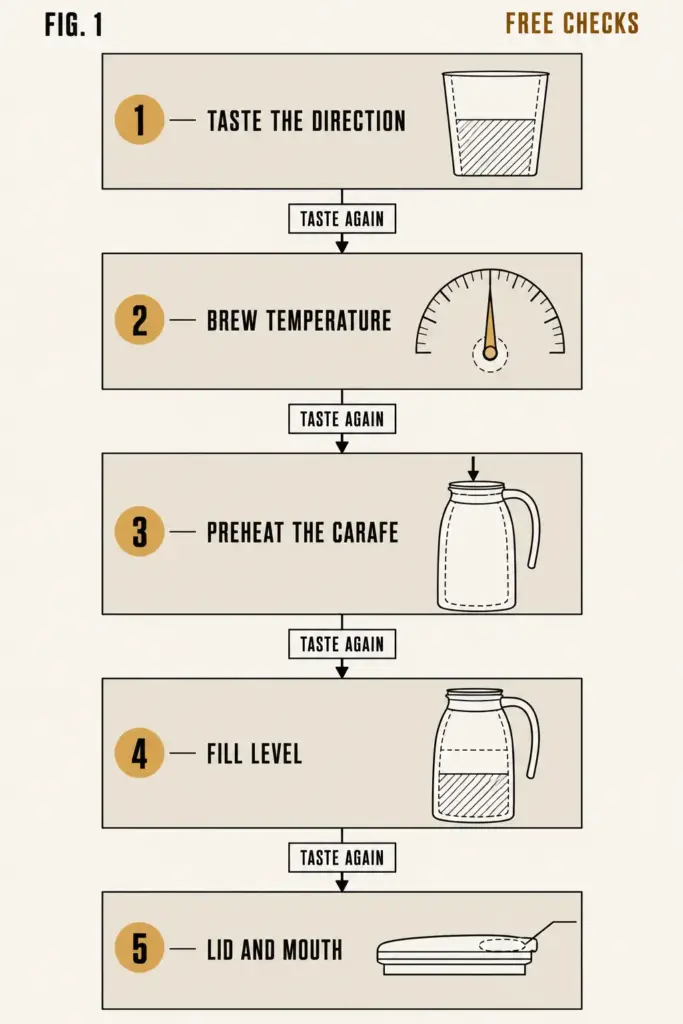
The order, one change at a time with a taste between each:
- Taste the pot and name the direction.
- Check the machine’s brew temperature.
- Preheat the carafe with hot water before the brew.
- Look at how full the carafe is.
- Check the lid and the mouth for yesterday’s coffee.
If the first cup is already weak or sour, skip the carafe entirely and go to a finer drip grind: finer grounds slow the water and pull more out of them. Brew the same amount the same way, taste, and only then move down the list.
The brew temperature: the machine’s job, and how to read it
The usual target for drip brewing is roughly 195 to 205°F (90 to 96°C) at the grounds. A machine that never gets near it under-extracts whatever you feed it, and that is the thin, sour pot. Nothing on your counter changes it; the machine decides, which is why the whole category gets judged by the water temperature a drip machine reaches.
A probe thermometer held in the water coming off the showerhead gives a rough read, good enough to tell a machine that runs well short from one that doesn’t (the exact number matters less than the gap). If it runs cool, the carafe cannot fix that. It is a reason to change machines, not carafes.
Preheat the carafe, then watch the fill level
Stainless takes heat first. A cold steel carafe pulls warmth out of the coffee as the brew lands in it, so the coffee that arrived first gave up the most to the metal. Preheating is one disadvantage of a stainless carafe, and a common trick is to pour boiling water in, let it sit briefly, then pour the coffee into the warmed vessel. It is free, and it comes before any new machine.
Put the hot water into the carafe before you weigh or scoop the coffee, and pour it out just before the carafe goes back under the basket. Steel needs those minutes to warm through; a quick swirl does very little.
Fill level works on the same logic. A nearly empty carafe has more air in it and less coffee to hold the heat, so four cups in a twelve-cup carafe cools faster than a full pot would. That is reasoning about the carafe, not a published rule, but it is a good reason to size the carafe to the pot you actually brew. Preheat, fill it well, and taste the last cup against the first.
Only then the lid and the mouth
Last come the parts the pot touches. If the first cup of the day tastes faintly of the pot before it, suspect the lid and the narrow mouth, where coffee oils dry between uses and a quick rinse does not move them. Hot water and a bottle brush on the mouth, the lid taken apart wherever it comes apart, then taste again. This is the one most owners meet after the first weeks, and the section on what the carafe costs you later gives the testers’ reports on it.
Two Thermal Drip Machines on the SCA Certified List
With the free checks done, the machine is the next decision. These two put a tested brew into a thermal carafe, and the certificate covers the brew, not the carafe. The carafe’s own flaw comes with each.
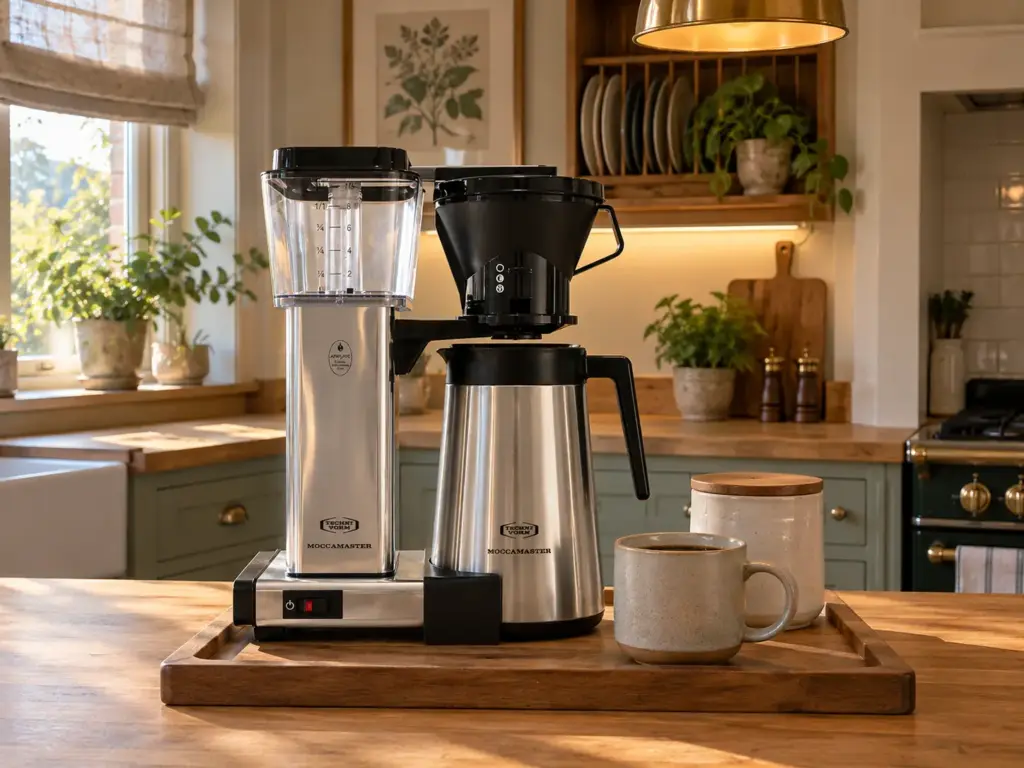
The Specialty Coffee Association tests machines and sells none, which is why its mark is worth reading. According to the Specialty Coffee Association’s certified home brewer list, “The following models have successfully completed SCA third-party testing and satisfied the certification requirements for home brewing equipment.” The mark belongs to a model, not a brand: the BUNN 55200 in the last section does not appear on the list, and neither does the stainless thermal OXO 8-Cup, because the list carries the OXO 8-Cup with a glass carafe.
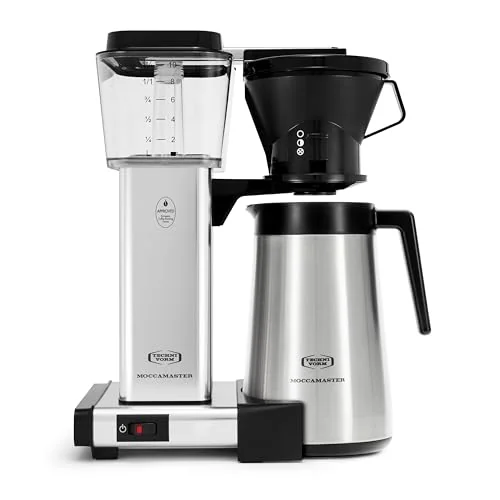
The Technivorm Moccamaster KBT is listed as a glass-lined thermal carafe with a manual-adjust drip-stop, Certified 2026. Its flaws sit in the care of the carafe, not in the cup. Wirecutter’s long-term testing found the carafe is not dishwasher-safe and its very narrow mouth needs a bottle brush, and the machine has no clock, no descaling reminder and no light or beep when the brew finishes. The Moccamaster’s own review goes through whether it is worth it at your batch size.
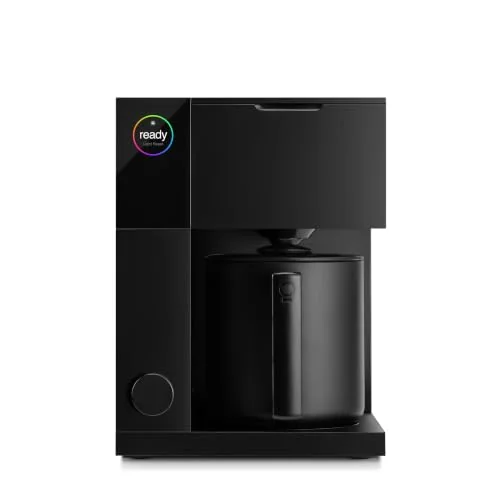
The Fellow Aiden Precision is the other listed model, Certified 2024: a 1-to-10-cup machine set from a dial or the Fellow app, with a removable water tank. The SCA entry does not name the carafe, but the Amazon listing title does, so the two are read together. Month two gets settled in the Fellow review.
What a Thermal Carafe Costs You by Month Two
The first pot is the one every review tests. By the sixth week the carafe either stays easy or starts to taste like yesterday, and the reasons are mechanical: the lid, the mouth, the descaling and the height.
The lid and the narrow mouth keep yesterday’s coffee
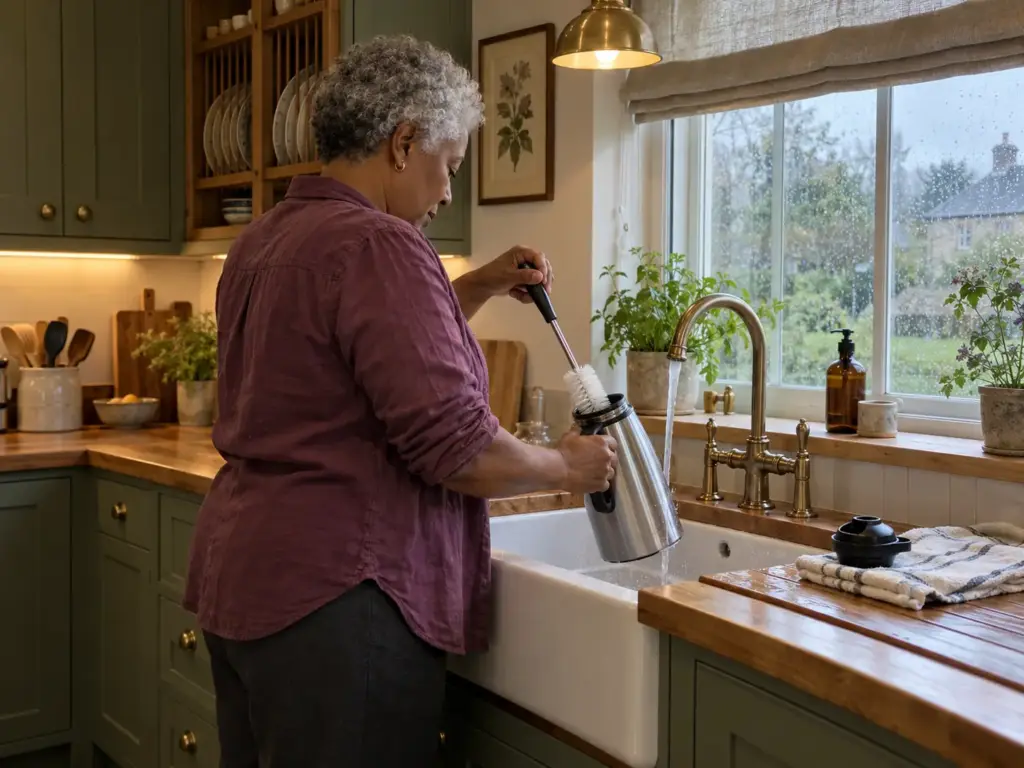
The OXO 9-Cup is a different model from the OXO 8-Cup in the next section, and it is where this complaint comes from. In Wirecutter’s years of testing, the lid on its carafe “tends to trap old coffee”, and even a good rinse isn’t enough to flush everything out. The KBT’s carafe has the same kind of problem in another spot: a mouth narrow enough to need a bottle brush, on a carafe that cannot go in the dishwasher. Neither shows up in the first week, which is why the week-one reviews miss it, and what you notice later is a pot that tastes faintly of last week no matter how fresh the beans are.
After you rinse, smell the lid before the next brew. If it smells like last week’s coffee, the next pot will taste of it; hot water, a brush on the mouth, and a second smell before you brew settle it.
The machine that never tells you it needs descaling
Wirecutter notes that the Moccamaster models have no descaling reminder, so descaling lives on your calendar, not on the machine.
Scale slows the machine and cools the brew, which undoes the temperature check from earlier. A machine that has stopped reaching its range under-extracts, the pot comes out thin or sour, and a thermal carafe holds that sour pot faithfully for hours. Then the carafe takes the blame. The manual is the authority on the procedure and the interval.
Height, lid clearance and the cabinet
The OXO 9-Cup stands 17.2 in (44 cm) tall and needs about 5 in (13 cm) of clearance to open its lids, according to Wirecutter. Whether a machine like that fits under a cabinet with the lid open is settled in its own article, so the question stops at the measuring tape here.
And size the carafe to the batch, in ounces. A “cup” on a drip machine is about 5 oz (148 ml), not a mug, which is why counting ounces, not cups matters before you buy a 12-cup machine to brew four cups. The empty space in the carafe is the air that cools the coffee first.
Two Thermal Machines Without the SCA Listing
Not every thermal drip machine is on the certified list, and these two are not. The certificate is the obvious tiebreaker, and the reason to pass on it is a machine that is quick or simple to live with. The trade is that no one outside the company tested the brew.
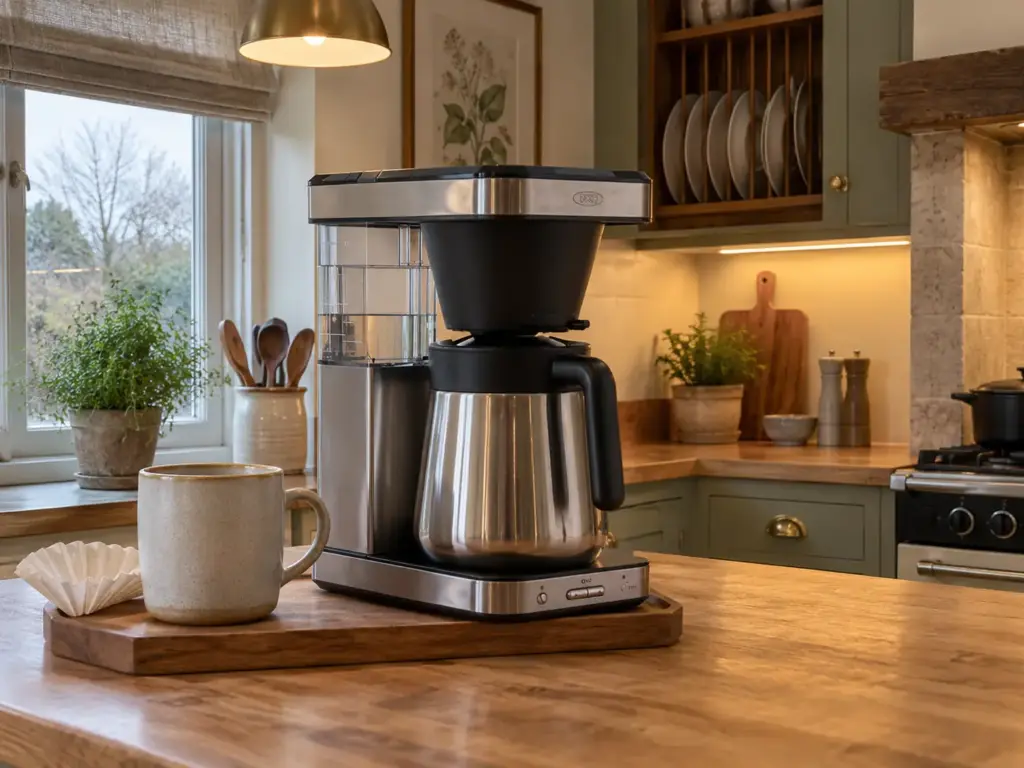
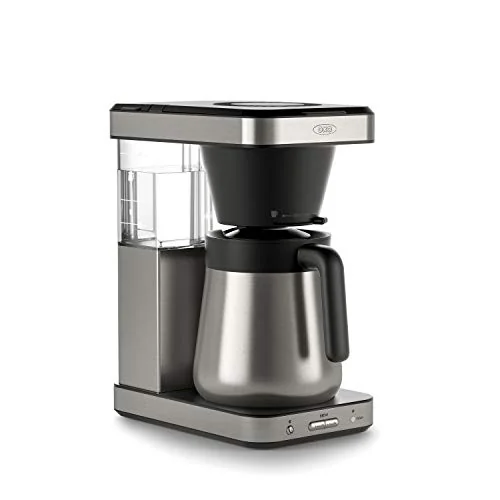
The OXO Brew 8-Cup with the stainless thermal carafe makes 8 cups of 5 oz (40 oz, about 1.2 L) through a Rainmaker showerhead. It is not on the SCA list: the list carries the OXO 8-Cup with a glass carafe, a different carafe under the same name. The lid-trap complaint from the month-two section is Wirecutter’s for the 9-Cup and has not been verified on this 8-Cup, so treat it as the thing to check when you rinse the lid, not as a known fault.
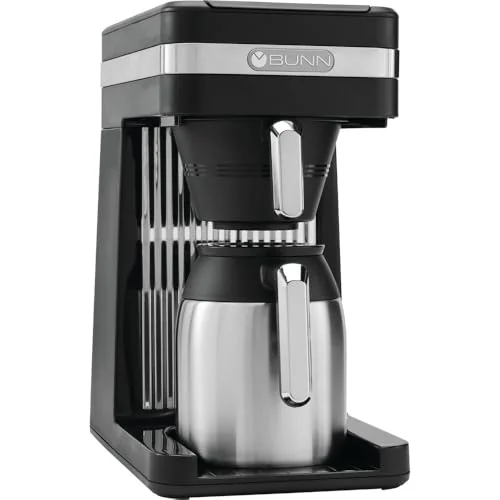
The BUNN 55200 Speed Brew Platinum Thermal is a thermal carafe by its listing title, and it is fast, so the warmer can stay off.
Capacity and heating were not verified for this article, and it is not on the SCA list. The catch is the preheat: hot water in the carafe first, or the steel cools the coffee as it brews. That is a trait of stainless thermal carafes, not a complaint the thread makes about Bunn, but it is the cost of owning one. The Bunn review covers the machine itself.
Where you go next depends on what the cup did. If it was weak from the start, the grind is the next change, not another machine, and if the question is glass against thermal, that has its own article. The same question with a ceiling on spending lives in a list of drip machines sorted by carafe heat on a budget, and what to look for in a drip machine before the features is the place to start if every check above came out fine and the machine itself is what you doubt.
Test your own carafe before you blame it. Preheat it, brew a full pot, read a probe thermometer when the brew ends and again at the same intervals through the morning, opening the lid only for the reading. Change one thing between runs, the preheat or the fill, and the readings show which one mattered.
Preheat Tomorrow, Then Taste the Last Cup Against the First
Taste the pot and name the direction before you touch anything, then check the brew: a carafe holds what the machine made, and a pot that was thin or sour at the first cup stays that way for hours. Preheat the carafe, fill it close to its size, and only then look at the lid and the mouth. Choose the machine for the cup it makes, and let the carafe break the tie.
A month from now, ask whether the first cup of the week tastes like the pot you just made or like the last one. A stale edge points at the lid and the mouth, a thinner pot at scale in the machine.
Tomorrow morning, change one thing: put hot water in the carafe before you brew, brew the same amount of the same coffee, and taste the last cup against the first. If the last cup holds up, the carafe was never the problem.
Frequently Asked Questions
01Is a thermal or glass carafe better for coffee?
A thermal carafe holds the coffee hot without a warming plate that keeps cooking it, while a glass carafe depends on the plate. The hold times are compared in glass versus thermal by how long each sits.
02What is the best insulated carafe coffee maker?
Start with the brew, since the carafe holds only what the machine makes. Of the models here, the Moccamaster KBT and the Fellow Aiden are the two on the SCA certified list, and each comes with a flaw listed above.
03Do I need to preheat a thermal carafe?
Yes, with hot water, for a stainless carafe. On a Bunn, skipping the preheat can cool the coffee as it brews, and the step costs nothing.
04Can you put a thermal coffee carafe in the dishwasher?
Not the Moccamaster KBT’s; Wirecutter notes it is not dishwasher-safe and that its narrow mouth needs a bottle brush. Check the manual of the model you own.
05Will a thermal carafe fix a weak or flat pot?
No. It keeps the coffee at the temperature it arrived at, so a weak pot stays weak. Check the brew and the grind first.

How did your cup turn out?
No comments yet. Tell us what you changed — and whether the needle moved.