
We may earn a commission when you buy through links on this page. It never changes what we recommend. How we pick
On this page8 parts
- Can You Use Single Origin Coffee for Espresso? Yes, With One Condition
- Read the Bag Before You Touch the Grinder
- What 9 Bars Does to a Single Origin
- Dial In One Change at a Time
- What Dialing In Costs, in Grams
- When the Grinder, Not the Bean, Is the Limit
- Read the Label, Taste the Direction, Count the Grams
- Frequently Asked Questions
The bag you loved as a pour-over goes into the grinder at the espresso setting, the machine runs its half minute, and the first shot tastes like a lemon. So can you use single origin coffee for espresso at all, or did you pick the wrong bag? You can, and most of the time the thing that went wrong was the roast, not the origin. Espresso takes every flavor in the bag and hands it over at full strength, so a coffee that was gentle as a filter brew can arrive sharp.
The sections below cover what the roast on the bag decides, how to read a shot by the way it is off, what the dial-in costs in coffee, and when the grinder is the limit.
Quick Answer
Yes. Any single origin can be pulled as espresso, and the roast on the bag decides how it tastes: a filter roast tends to come out sour under 9 bars. Grind a step finer, taste, and expect a few shots to dial in. Milk hides the bright ones; a blend is easier, not better.
Can You Use Single Origin Coffee for Espresso? Yes, With One Condition
Espresso is a way of making coffee, not a type of bean, so the answer to the question in the title is yes. What deserves more attention is why almost every recommendation still says to buy an espresso blend, and what that advice costs or saves you. The three parts below take it in order.
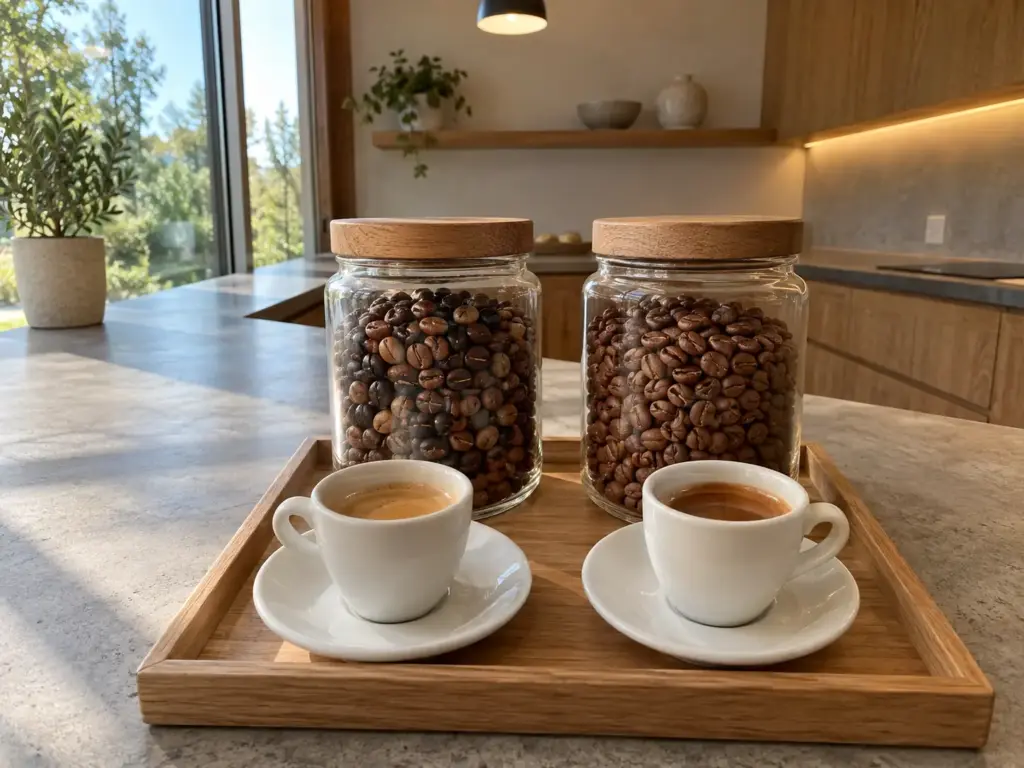
Espresso is a method, not a bean
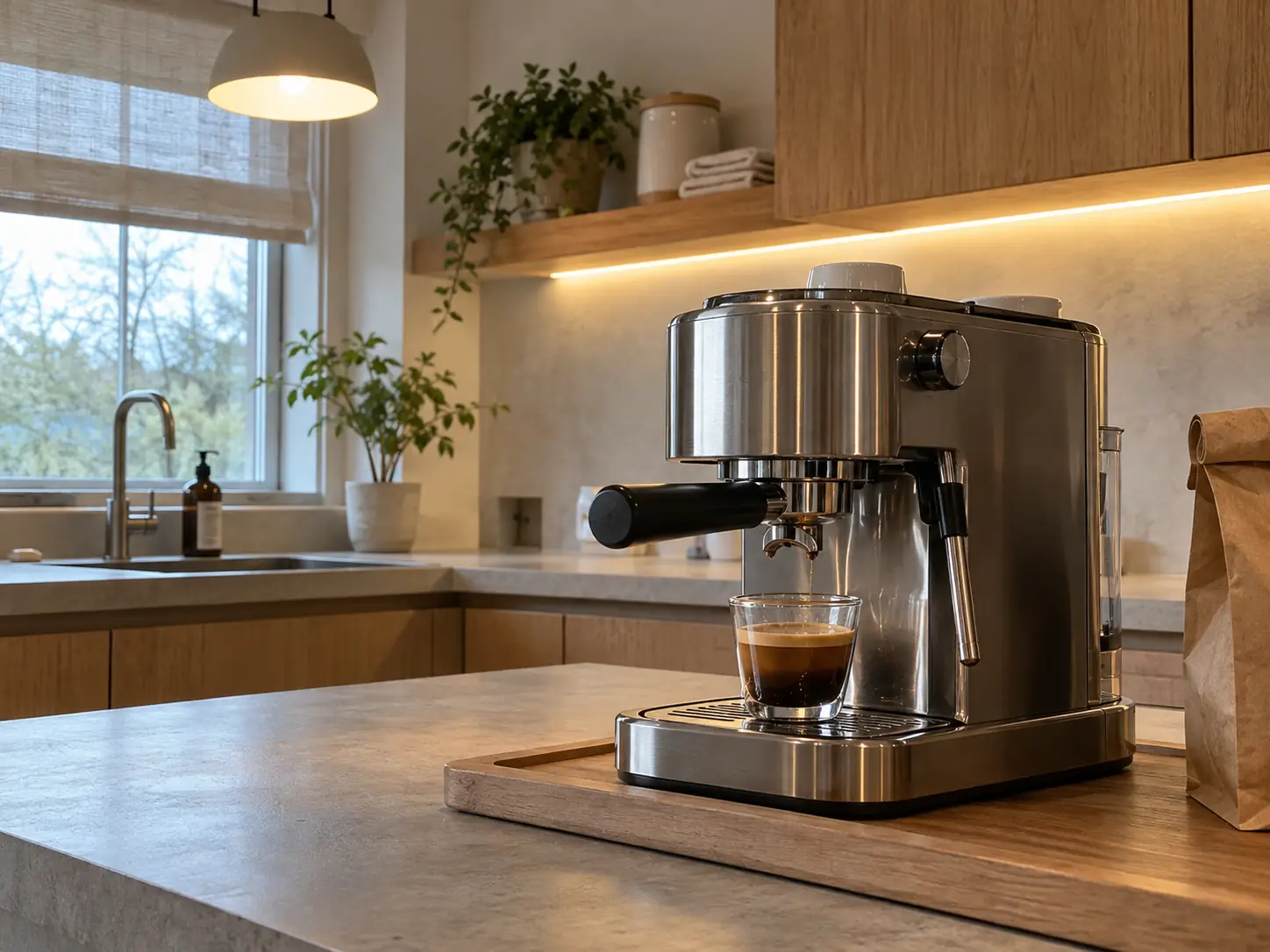
What makes a shot espresso is the method: a fine grind, hot water pushed through at about 9 bar (roughly 130 psi), and a contact time near half a minute. Nothing in that description names a bean. A Brazilian, a Colombian or a washed Ethiopian goes through the same basket a blend does, and the machine never checks the label. What changes from bag to bag is how much the cup forgives the settings you picked.
Why blends became the default
Blends are the Italian tradition, built so that one component covers the gap of another: one for sweetness, one for a high note, one to hold the shot together. That is why a blend tastes balanced across a wide band of settings. Robusta is part of that tradition in some regions, though 96% of the baristas in the SCA’s own survey said it is not a component of espresso, and what Robusta does in a blend is a question for its own page. The general case, single origin against a blend, has one too, so the point here is narrower. The old debate puts it in one line: blends are easier to execute well, and the choice splits in two: the highest peaks of experience, or better shots on average.
What a single origin gives you that a blend hides
A single origin is one coffee, so the shot has one personality, and a sour or bitter note points at a setting instead of at a component you cannot separate out. That makes it easier to read even where it is harder to pull. It is also why people keep trying: the best shots people remember are often single origins.
One caution about the label. What a single estate or single origin label promises is a place, a farm or a region, and it says nothing about the roast, which is where the next section starts.
Read the Bag Before You Touch the Grinder
The first change costs nothing and happens before any coffee is ground: read what the roaster says the bag is for. The condition on the yes is the roast, and the bag tells you which side of it you are on.
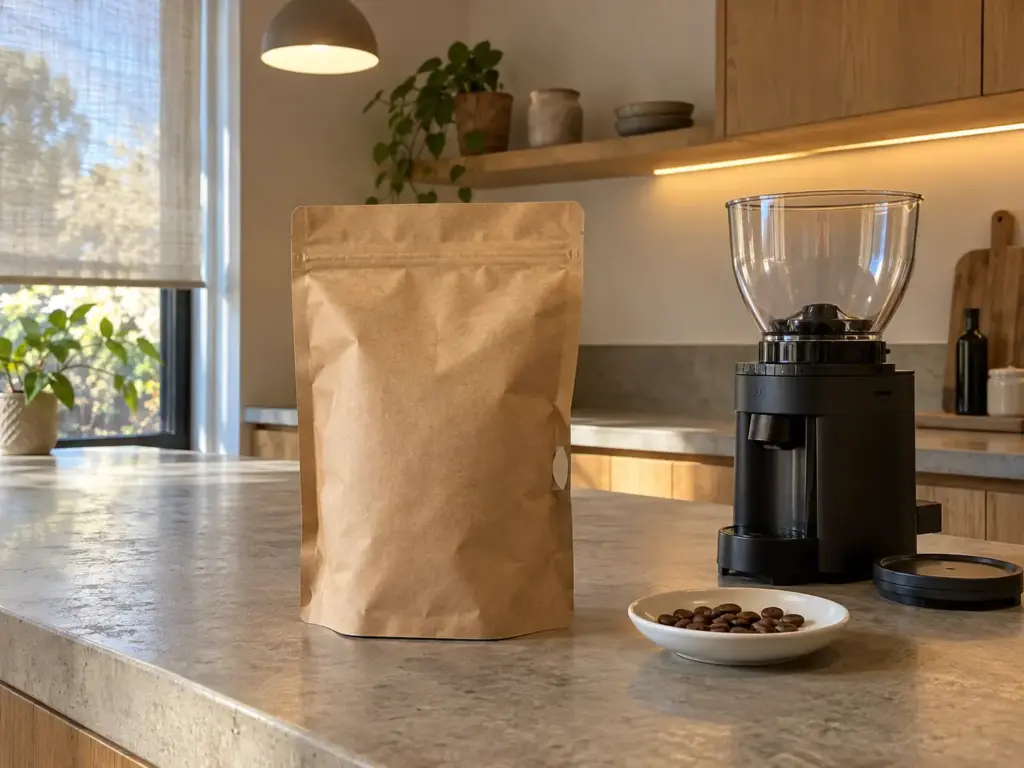
Espresso, filter or omni on the label
Roasters label bags espresso, filter or omni, and an omni roast is one developed to survive both methods. A filter roast is a different object. One gear retailer’s bean guide says a light, washed Ethiopian ground espresso-fine “will still extract like a light-roasted coffee under 9 bars,” very bright and often unpleasantly sour unless you know what you are doing with temperature, pre-infusion and dose. The grind adapts the coffee to the machine; the roast development adapts it to the flavor, and only one of those is on the grinder’s dial.
So a finer grind cannot turn a filter roast into an espresso roast. It moves the cup, but only so far. The cost of not checking can be a whole bag burned on consistently sour shots, even from a roaster you love. The roast-level argument itself has its own page, which settles whether espresso should be a light or a dark roast for the machine you own.
The roast date: resting a fresh bag
An espresso bag wants roughly 7 to 21 days off roast. Fresh beans are not always ready beans. Too fresh, and the CO2 still leaving the beans makes the water find paths of least resistance, which gives a gushing, sour shot. A filter bag is more forgiving, so a coffee you loved as a pour-over early in its life can fail as espresso on the same day, at the same grind.
A very fresh bag can taste sour at exactly the right grind. Rest it, then judge, and see how long beans keep after the roast date for the other end of that window.
Count the days off roast when you open a bag, before the first shot, and write the number on the hopper lid. At day four and at day twelve the same coffee is two different shots at the same grinder setting, and the number tells you whether to move the dial or just wait.
Origins that tend to work as a first try
Brazil, Colombia and Guatemala lean toward chocolate and caramel, which is why they are the usual first tries. Ethiopia and Kenya are fruit-forward and make a better second step, once you can read a shot. Natural process and honey process lots can be excellent as espresso, so do not rule them out on process alone. A short list of single origins to start with does the picking for you.
What 9 Bars Does to a Single Origin
The numbers everyone quotes for a shot are a starting line, not a law. The useful question is what a normal shot looks like, so you can tell when yours is not.
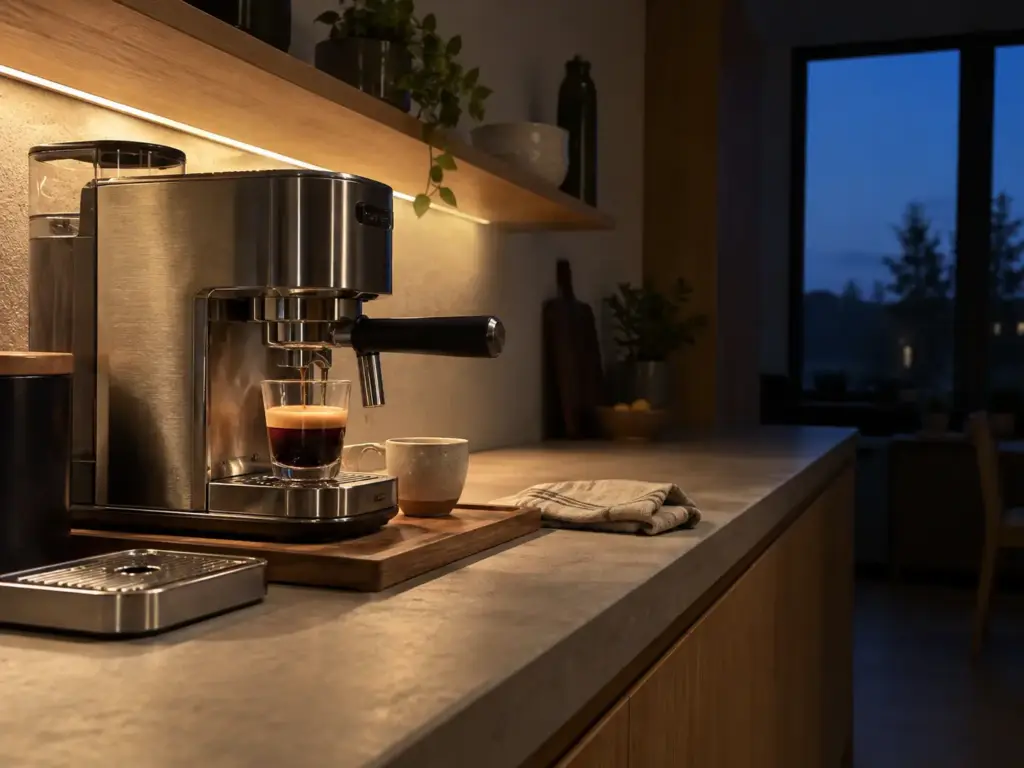
The starting recipe, checked against the SCA’s survey
According to the Specialty Coffee Association’s espresso survey of baristas, “Our research suggests that the average barista uses a 1:2 brew ratio when extracting espresso and uses weight for output measurement.” The average shot in it starts with an 18 to 20 g dose, outputs about 36.5 g (close to a 1:2 ratio) and runs 25 to 30 seconds at about 9 bar and 200°F (93°C). Ratios ran from 1:1.5 to 1:2.5. Read it as a survey of what baristas do, not as a standard.
For a kitchen without a scale, 18 g of beans is a little under two level 2-tablespoon scoops, though a scoop of beans changes with the roast and the bean, which is the reason to weigh. And 36 g of liquid is about 1¼ ounces by weight.
A home machine that cannot change temperature is still in range
Survey answers for water temperature spanned 195 to 205°F (about 90.5 to 96°C), averaging 200.3°F, with most at 9 bar. A home espresso machine with a thermoblock and no temperature control sits inside that window. So the shot that comes out sharp is almost never a temperature problem you can solve first; what is left to move is the grind and the ratio.
Why espresso shows every flavor
Espresso concentrates everything: sweetness, acidity and the sharp edges, all at full strength in 25 to 30 seconds. A filter brew gives the same flavors a full mug and several minutes to settle, and a shot gives them half a minute. That is the whole reason a coffee that was gentle as a pour-over can come out sharp here. The next section starts from the grinder, so it helps to know how fine an espresso grind actually needs to be before you move it.
Dial In One Change at a Time
Taste the shot before you touch anything, and decide which way it is off: sour, bitter, or both in the same sip. Each points to a different change, and the starting recipe from the last section is only where you begin. This is how you read where you ended up and what to move first.
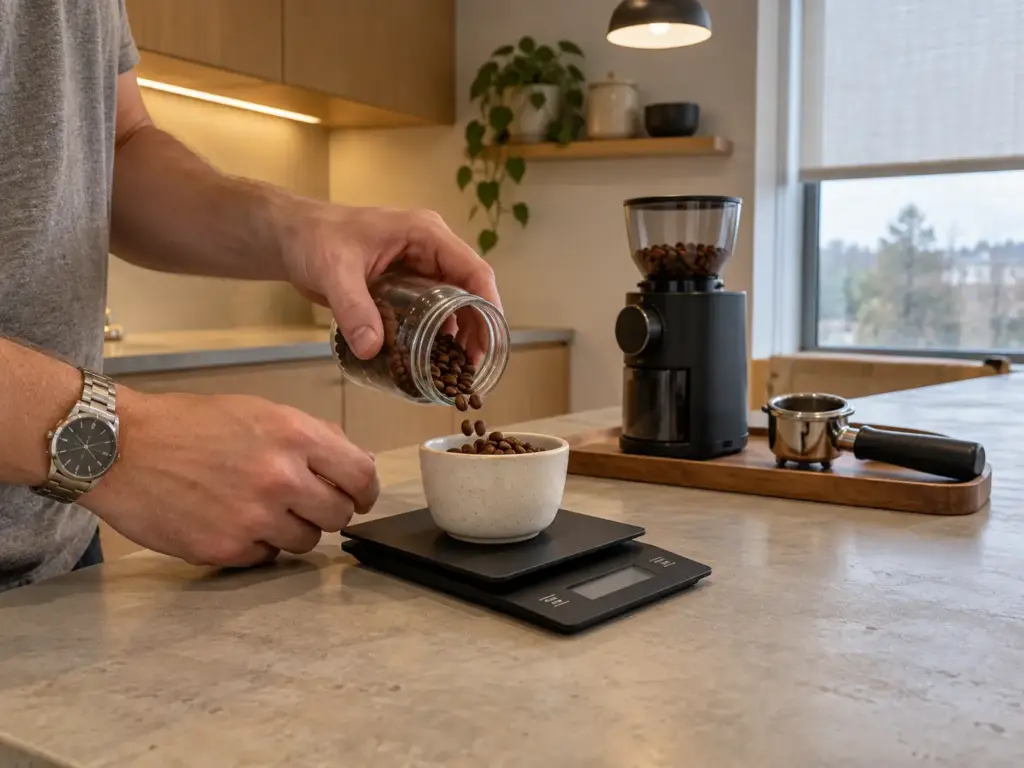
Sour: grind finer, one step
Sour, thin and sharp, means the water left before it finished: the shot is under-extracted. Keep the dose and the yield, move the grinder one step finer, and taste again. A step is one position on the dial, not a measured size (more on why a grinder number is a position on the dial, not a size, if the numbers on yours confuse you), so you are looking for a change you can taste. The long version of the rule, how grind size moves a cup from sour to bitter, covers the whole range.
Watch the first seconds as well. A gusher is the early warning: if the first drops fall before about 6 seconds, the shot will almost surely come out sour, so stop the pull and go finer. But finer has a ceiling. Past it the puck chokes, the drips crawl, and the shot goes back toward under-extracted.
Bitter is the opposite direction, over-extracted. Go one step coarser, check the water temperature if your machine lets you change it, and clean the machine before blaming the bag. After a finer step on a sour shot, the next cup should taste rounder and sweeter. If it turned harsh and bitter instead, you went one step too far, so come back half a step where the grinder allows it.
After every grinder move, run a few grams through and throw them out before you dose the shot. The grinder keeps grounds inside, so the first dose after a change still comes out at the old setting, and that is the shot that makes a good change look like a bad one.
Sour and bitter in the same sip
Sour and bitter together is a different problem: channeling. Water finds a crack or a void in the puck and rushes through it. The grounds along that path over-extract and taste bitter, and the grounds the water never properly soaked under-extract and taste sour, so both arrive in the same cup and the shot tastes contradictory. Leave the grind alone and fix the puck prep.
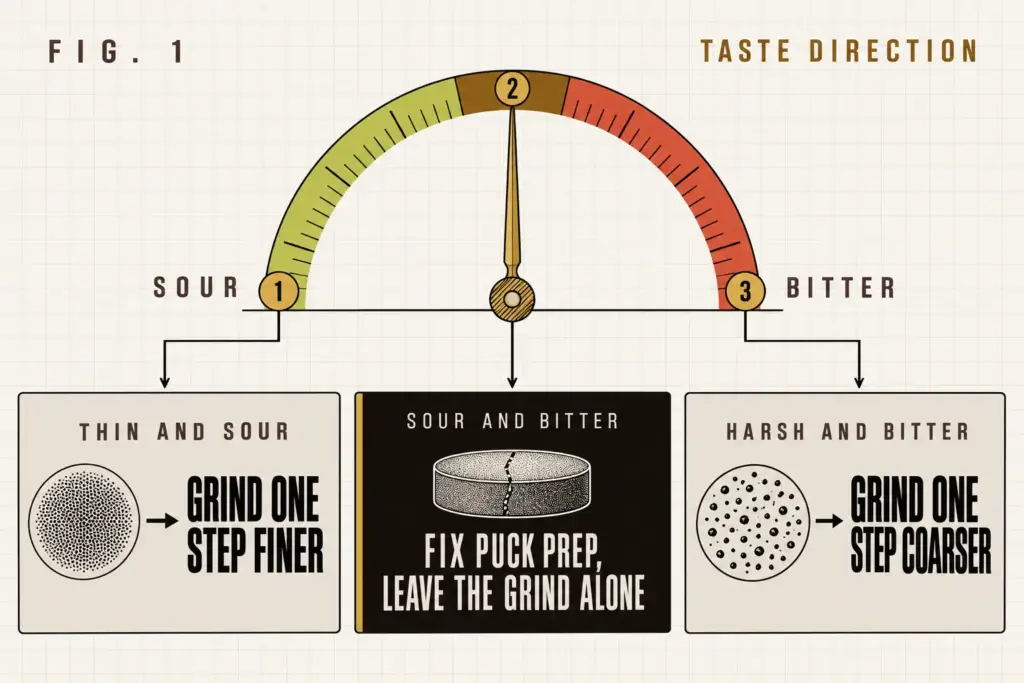
Puck prep means breaking up clumps (stirring the grounds with a needle, called WDT), leveling the bed and tamping flat, because a void from clumpy grounds or a fissure from an uneven tamp is where the water runs. Do that, pull the same shot again at the same grind, and the cup should lose the contradiction: one flavor, either thin or full, instead of two fighting.
One change per shot only works if everything else is held still, and 18 g in, 36 g out and the shot time cannot be repeated by eye. The Hario Drip Scale Timer reads in 0.1 g steps and has the timer built in, so you can start it with the pump and watch the yield climb on the same display. Its auto-off kicks in after 5 idle minutes, which means taring it again when you come back to the counter. Write the three numbers down for every shot, and the page will show which change moved the cup.
On a tighter budget, the Etekcity Food Kitchen Scale already removes the biggest error of the first shot, the dose. It reads in 1 g steps with a tare, which is too coarse to read a 36 g yield to a tenth, so it suits the dose and not a precise yield.
When the fix runs the other way
The finer-first rule has an exception, and the direction depends on the roast. For fruity light roasts, one trick is a coarser grind with a faster, longer shot, about 1:3 in roughly 20 seconds, and a longer ratio still if it stays sour. Someone who has already maxed out the machine (the hottest boiler, the finest grind, 60 seconds of pre-infusion, 1:3) can still get only sour shots. The limit was the roast, not the dial.
Which way to move the grinder when the roast changes is the page for that case, and a longer ratio is the one change here that costs nothing.
The slowest way to learn all this is the way an espresso-machine maker documented in 2007 with one Guatemalan coffee. At 202°F (94°C) and 8.5 bar the shot tasted sharp; 207°F (97°C) and a bigger basket only softened it; a coarser grind with a bigger dose and a short ristretto finally gave a smooth shot. Three rounds of changes, and no way to say which one did the work.
What Dialing In Costs, in Grams
A single origin is less forgiving, and learning one bag takes shots. Every change in the last section is free in money and none of them is free in coffee, so this section counts the dial-in in grams, which is what you actually spend.
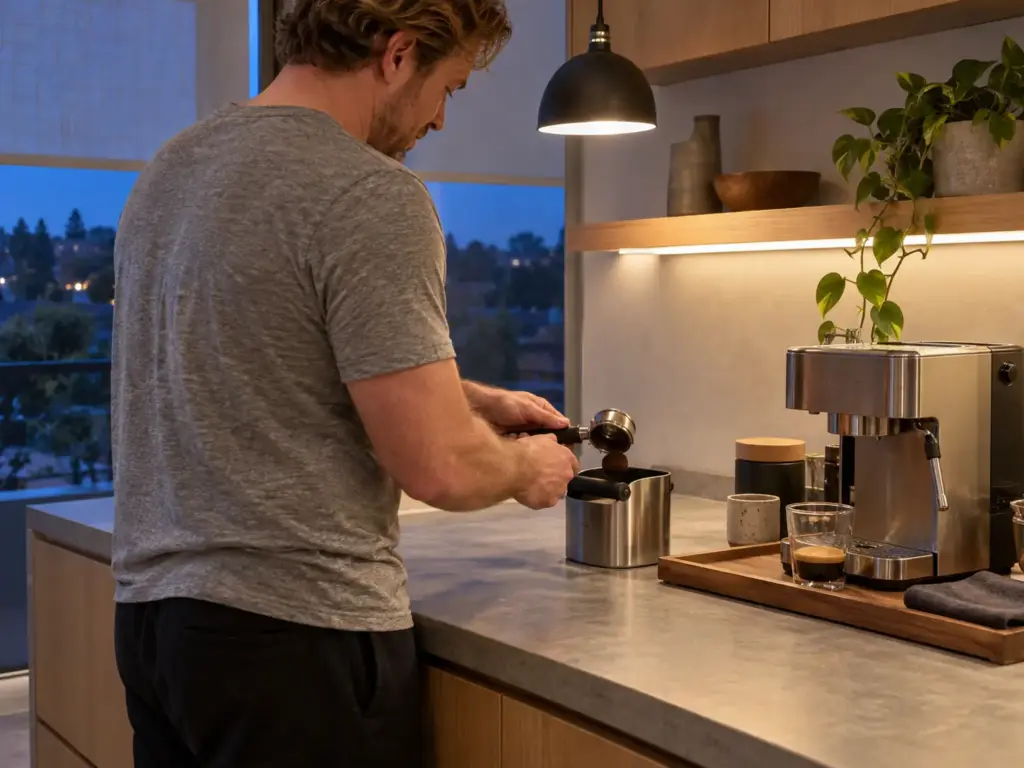
The arithmetic of a bad bag
A beginner can waste many shots of a light roast dialing the grind, and more on pre-infusion and temperature. That is nine shots. At an 18 g dose, nine shots is 162 g, about 48% of a 12 oz (340 g) bag, and a bag holds only about nineteen shots in all. Light roasts are the hardest case; a medium roast should need fewer shots.
Run the same division on your own bag before the first shot. Divide the bag’s grams by your dose to get the shot count, then multiply the shots you expect to spend by the dose to see what is left: after nine shots, about 178 g remain, which is roughly ten drinkable shots.
Hold that number against any bean you are unsure about. A gear retailer’s bean guide says it in two words: single origins are “less forgiving.” The grams left in the bag after the dial-in are the real price of the bag, so count those and not the dollars.
When milk is the better home for it
Milk drinks hide the bright ones. A bright roast may pair better in a milk-based drink, since milk tames bright coffees. So hold the bright bags for straight shots when you have time to dial, and let milk take the shots that stay a little sharp.
Pull the dial-in shots into a milk drink instead of the drain. A shot that misses on sourness still makes a drink once it is topped with steamed milk, and that turns the cost of the dial-in from grams wasted into grams used.
When to stop and try something easier
There is a fair reason to stop. Sour espresso is a common problem for beginners, and a dark-roasted blend can be the way out. If a bag’s worth of shots has gone and the cup is still off, take the easier route for a while: a medium-to-dark bag made for espresso costs less coffee to learn on, and supermarket espresso beans worth starting with are enough while you learn the machine. The single origin will still be there when the shots stop being a gamble.
When the Grinder, Not the Bean, Is the Limit
After the roast and the dial-in, the last suspect is the grinder. And the setting that worked on the first day is not promised to hold, so this is also where the weeks start to count.
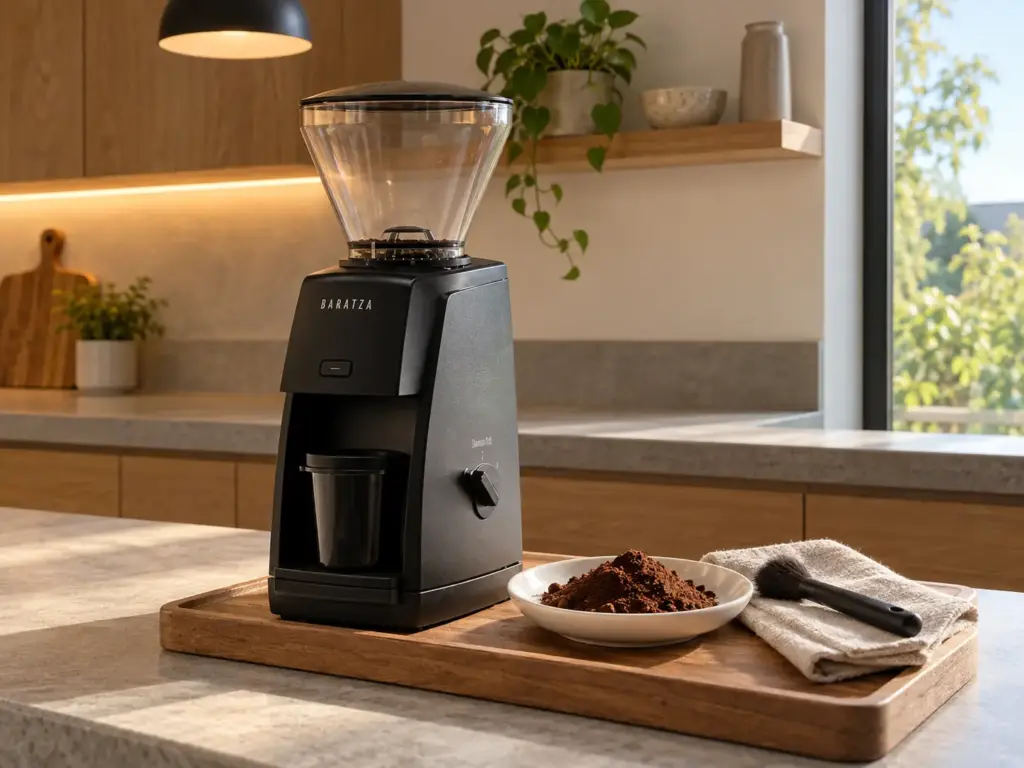
Clumps, retention and sour-and-bitter at once
When a single origin keeps running sour and bitter at once, check the burr grinder before the bean. Fine espresso grounds clump, and clumps are where channeling starts. A grinder also retains some of what it grinds, so yesterday’s bean ends up in today’s first dose, and a new bag begins with a little of the old one.
Test retention once: weigh 10 g of beans, grind them into a clean cup, and weigh what comes out. The grams that stay behind are the first grams of your next dose, which is why the first shot after a bean change tastes a little like the old bag.
The setting that worked in week one moves
A bean ages and a bag degasses, and roasters say the same grind setting tends to run faster as that happens. So a bag that tasted right early can need a finer step later, and the first thing to check is the roast date, then the dial. That is reasoning from roaster guidance rather than a reported experience, and it is why one good shot is a start rather than a recipe. The grinder wears too, but slowly; it is rarely the first suspect.
When the grinder runs out of fine
If the grinder has no finer step left, the shot runs sour whatever you do at the portafilter. Before buying anything, take one finer step on the grinder you already own, because that is free and it is the likeliest fix. If the dial is truly at its end, or the burrs are worn, what to do when a grinder is maxed out or worn is the next page.
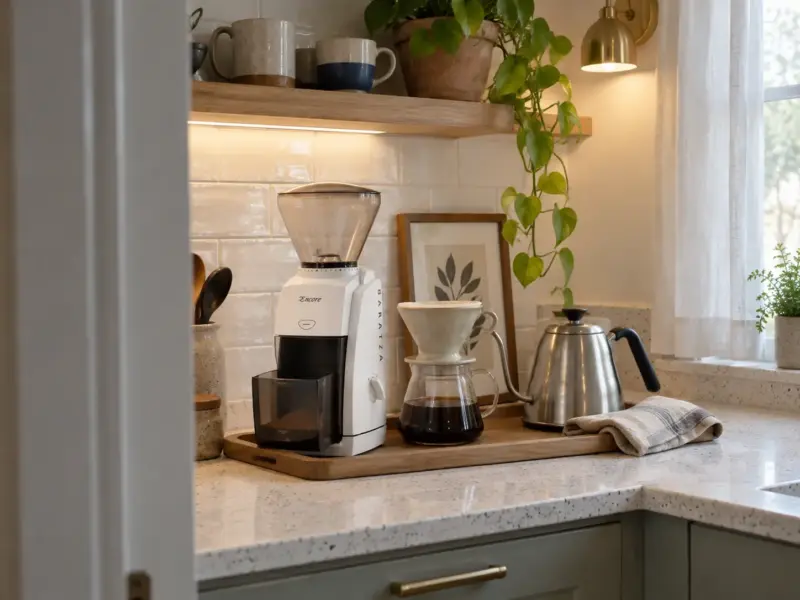
Then the step up. A first-time single-origin buyer on a home machine could move to the Baratza Encore ESP, a grinder with 40 mm conical steel burrs built for the fine end of the dial; a published review timed it at about 13 seconds for an 18.5 g dose.
The same review found two catches: the espresso grounds come out clumpy and need WDT, and the hopper design held back about 2 g from a 10 g sample. Both are traits of this grinder rather than drift, and the stirring takes under 20 seconds once you have practiced it. So even the step up asks you to stir the grounds and purge a few grams after a change. Which grinder suits espresso, in microns per click, is the next decision.
Read the Label, Taste the Direction, Count the Grams
Three things carry over. Read the bag first, for the espresso, filter or omni label and the roast date. Read the shot as a direction, and change one thing at a time, finer first for sour, with a taste between each. And count the dial-in in grams, letting milk or a medium roast take the first try when a single origin would cost too many.
A month from now, check that the setting that worked still pulls the same shot, and read the roast date on the new bag before you blame the dial.
Tomorrow morning, read the bag’s label and its date, weigh 18 g in and pull to 36 g, and if the cup is sour move the grinder one step finer and taste again. When that shot works, which single origins are worth buying first is the next question.
Frequently Asked Questions
01What kind of coffee is best for espresso?
A medium to dark roast labeled espresso or omni is the easiest place to start, because it was developed to hold up under 9 bars. A filter roast can work too, but it tends to come out sharp, so expect a few more shots to dial it in.
02What happens if you use regular coffee beans for espresso?
It works, but a bag roasted for filter and ground fine still tastes sour under 9 bars, because espresso brings out the brightness at full strength. Move the grinder one step finer at a time and taste between each change.
03What origin is best for espresso?
Brazil, Colombia and Guatemala lean toward chocolate and caramel and are the usual first tries for a single origin shot at home. Ethiopia and Kenya are fruit-forward, so they make a better second step once you can read a shot.
04Is single origin or a blend better for espresso?
Neither is better: a blend is easier to balance, while a single origin can reach higher peaks and takes more dialing in. For the same good shot every morning, start with a blend; for the best one you have had, try a single origin.
05How many shots does it take to dial in a new single origin?
It depends on the roast: light roasts can burn through many shots, while a medium roast should need fewer. Change one thing per shot and count the grams.
How did your cup turn out?
No comments yet. Tell us what you changed — and whether the needle moved.